Best Time to Visit Mumbai – Weather, Beaches & City Tourism
Mumbai, the vibrant metropolis on India’s west coast, is easily accessible for residents of major cities like Delhi, Bengaluru, and Kolkata, with flight times averaging between 2 to 3 hours.
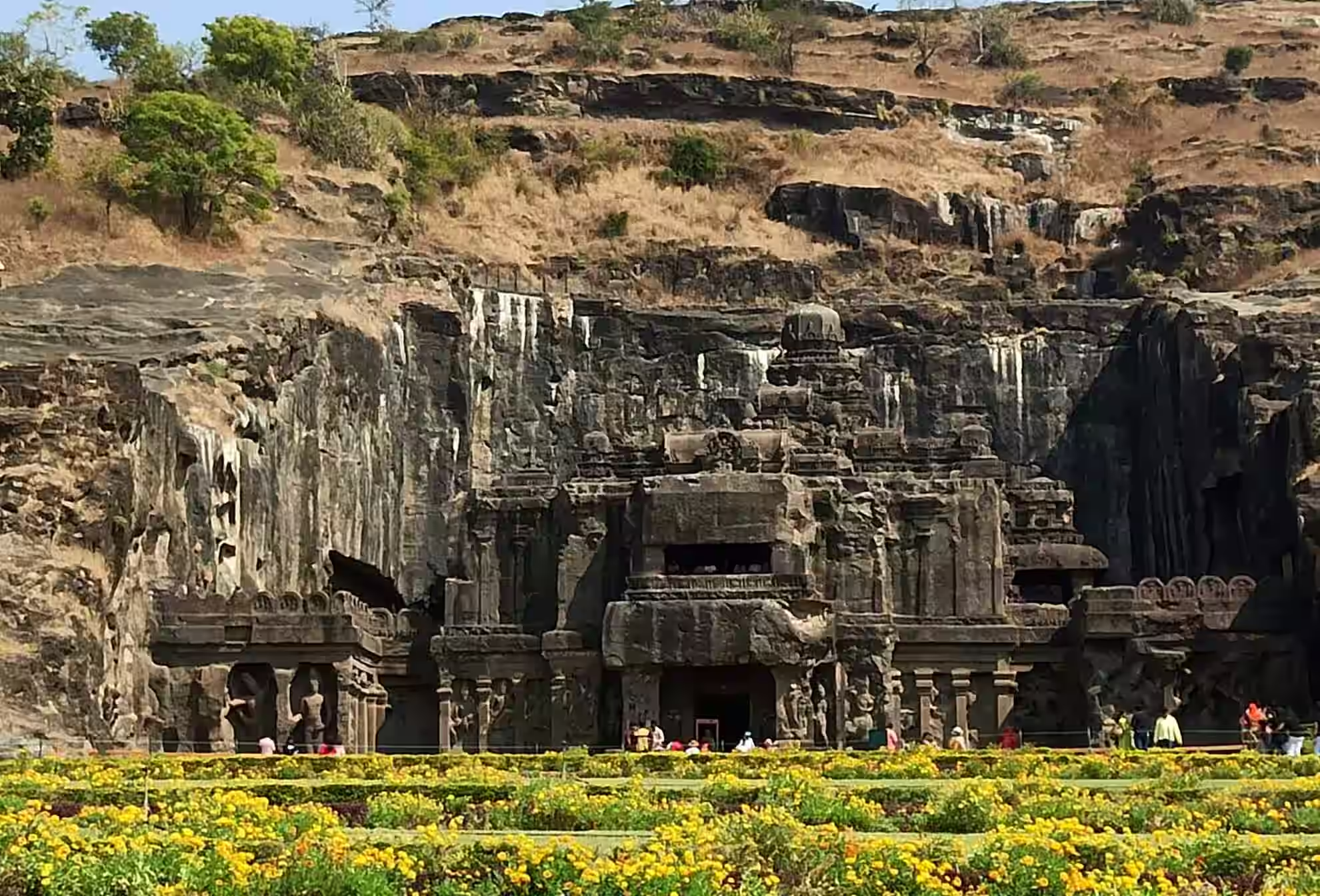
Known as the city that never sleeps, Mumbai serves as a gateway to other fascinating destinations such as the serene beaches of Goa and the historic caves of Ajanta and Ellora.
The city’s climate is as diverse as its culture, featuring three main seasons: summer (March to May), when temperatures soar and humidity levels rise; the monsoon (June to September), bringing heavy rainfall that can disrupt travel plans; and winter (November to February), which offers cooler, pleasant weather ideal for exploring.
Choosing the wrong time to visit can lead to uncomfortable heat or being stranded by rain, making it vital for Indian travelers to align their trips with favorable weather patterns and local festivities.
To enhance your experience, this post will provide insights into the best times to visit Mumbai, helping you avoid the pitfalls of extreme weather and embrace the city’s unique seasonal events.
Get ready to uncover the secrets of planning your Mumbai adventure for an unforgettable experience!
Best Months to Visit
Travel to Mumbai is highly advisable from November to February. This period ensures a cooler climate and optimal conditions for exploration. It is the ideal time for a secure and enjoyable travel experience.
During November, temperatures range from 15°C to 30°C, allowing travelers to comfortably visit iconic attractions like the Gateway of India and Marine Drive. The pleasant weather encourages outdoor sightseeing, leading to enhanced enjoyment without the discomfort of heat or humidity.
As December unfolds, the city pulses with cultural festivities, including Christmas celebrations. The cooler evenings create a welcoming atmosphere for night markets and street food tours, where travelers can savor seasonal delicacies without concern for sweltering heat or rain interruptions.
In January, Mumbai’s favorable climate remains consistent, making it perfect for participating in local events and festivals. Visitors can explore the city’s vibrant neighborhoods and partake in cultural experiences, confident that the weather will not hinder their plans.
Seasonal Weather Guide
Mumbai experiences a distinct climate with summer’s heat, winter’s comfort, and the monsoon’s heavy rains. Each season significantly impacts travel and outdoor activities in the city.
Summer
Travel is not recommended during the summer months from March to May in Mumbai. This period is characterized by high temperatures and oppressive humidity. Travelers should consider alternative plans to ensure comfort and safety.
Daytime temperatures in Mumbai often soar between 30°C to 40°C (86°F to 104°F), leading to heat exhaustion risks. Tourists venturing out for sightseeing may find themselves fatigued quickly, limiting their ability to explore popular attractions such as Gateway of India or Marine Drive. The oppressive heat can deter outdoor activities, making it challenging to fully enjoy the city’s vibrant offerings.
High humidity compounds the discomfort, making the heat feel more intense. Visitors attempting to engage in beach activities may find the conditions unbearable during peak sun hours. Many choose to stay indoors or seek air-conditioned environments, significantly reducing their interaction with local culture and community events.
Summer festivals do occur, but the crowded events can become overwhelming in such weather. Travelers may experience difficulty navigating busy public spaces, which detracts from the enjoyment of cultural experiences. The combination of heat and high foot traffic can lead to frustration rather than the intended festive spirit.
Winter
Traveling to Mumbai during winter, from November to February, is highly recommended for safety-conscious travelers. This season ensures a comfortable climate with milder temperatures and lower humidity, making it ideal for outdoor exploration. The cooler evenings further enhance the experience, allowing for safe participation in local festivities and activities.
During this period, daytime temperatures commonly reach between 20°C and 30°C. Travelers can comfortably stroll along popular beaches such as Juhu and Marine Drive. The pleasant weather encourages extended outdoor activities, allowing visitors to enjoy scenic views without the oppressive heat typical of summer months.
As winter festivals like Diwali and Christmas unfold, vibrant city decorations create an inviting atmosphere. Travelers can immerse themselves in cultural experiences, including local performances, without worrying about weather disruption. The festive cheer, combined with manageable temperatures, enhances the overall travel experience.
Evenings typically bring cooler temperatures, perfect for sampling local street food and warm chai. These seasonal treats not only provide comfort but also enhance social interactions among travelers and locals alike. The cooler weather supports leisurely dining experiences, allowing travelers to savor the rich culinary offerings Mumbai has to offer during winter.
Rainy Season
Travel is strongly discouraged between June and September in Mumbai. This season presents consistent and severe weather hazards due to heavy rainfall and increased humidity. We advise rescheduling plans to ensure traveler safety and itinerary integrity.
Heavy rainfall during the monsoon can lead to significant waterlogging in key areas of the city. Travelers often find it challenging to navigate popular attractions like Marine Drive or the Gateway of India, as access can be severely restricted. This results in cancellations of planned sightseeing tours and limits opportunities for outdoor exploration.
Increased humidity levels, typically ranging from 24°C to 29°C, can lead to discomfort for visitors. Many travelers report feeling fatigued and less inclined to engage in activities such as visiting outdoor markets or touring historical sites. This can detract from the overall experience and lead to a preference for indoor attractions, which may be overcrowded.
Swimming at Mumbai’s beaches is not advisable during these months due to rough sea conditions. Travelers must exercise caution and avoid water activities, which can severely limit recreational options. Instead, the focus shifts to seeking shelter and enjoying indoor experiences, such as local cuisine at eateries, further impacting the intended travel itinerary.
Best Time for Different Traveller
The ideal time to visit Mumbai varies by traveler type, with families, adventure seekers, budget travelers, and honeymooners all having their preferred seasons.
Best Time for Family Travelers
November through February offers the most stable and favorable climate for travel in Mumbai. This period guarantees minimal weather disruption and is the recommended window for a secure and comfortable experience for families.
During these months, temperatures range from 15°C to 25°C, allowing families to engage in outdoor activities without the risk of heat exhaustion. Parents report that visiting attractions like Taraporewala Aquarium and Nehru Science Centre is significantly more enjoyable when the weather is cooler, enabling children to explore comfortably without overheating.
Additionally, the moderate crowd levels during this season facilitate easier navigation through popular sites. Families can plan visits to Sanjay Gandhi National Park, where mild weather allows for long walks and exploration, ensuring children remain engaged and active without fatigue.
The low humidity levels during these months enhance overall comfort for travelers. Families can enjoy events and festivals while minimizing the risk of exhaustion, ensuring a more pleasant experience for all ages.
Best Time for Adventure Travelers
October through March offers the most stable and favorable climate for travel in Mumbai. This period guarantees minimal weather disruption. It is the recommended window for a secure and comfortable experience.
During these months, the cooler temperatures, ranging from 20°C to 30°C, enable travelers to engage in outdoor activities without discomfort. Adventure enthusiasts can partake in kite surfing and jet skiing along the coast, benefiting from calm sea conditions that enhance safety and enjoyment.
As the weather remains dry, trekking enthusiasts can explore the nearby hills with ease. The pleasant climate allows for uninterrupted hikes, offering travelers breathtaking views and a satisfying connection with nature.
Additionally, the moderate crowds during this period ensure a more enjoyable experience for activities like coastal fishing trips and cycling tours. Travelers can immerse themselves in local experiences without facing long waits or excessive heat, enhancing their overall adventure.
Best Time for Budget Travelers
Travel is strongly discouraged between June and September in Mumbai. This season presents consistent and severe weather hazards due to the monsoon rains. We advise rescheduling plans to ensure traveler safety and itinerary integrity.
During the monsoon, heavy rainfall is a regular occurrence, which can lead to flooded streets and travel disruptions. Many tourists find that outdoor sightseeing, such as visiting the Gateway of India or exploring Marine Drive, becomes impractical. The incessant rain limits mobility, forcing travelers to cancel or modify their plans significantly.
In addition to rainfall, humidity levels peak during these months, often exceeding 80%. This climate can lead to discomfort and fatigue for travelers engaging in activities like walking tours or visiting local markets. The oppressive heat combined with moisture can detract from the overall experience of exploring Mumbai’s vibrant culture.
Furthermore, several attractions may have restricted access or altered operating hours during the monsoon season. For instance, outdoor attractions like Sanjay Gandhi National Park may close due to safety concerns during heavy rains. Travelers should anticipate such changes, which can disrupt well-planned itineraries and necessitate last-minute adjustments.
Best Time for Honeymoon Travelers
November through February offers the most stable and favorable climate for honeymoon travel in Mumbai. This period guarantees minimal weather disruption. It is the recommended window for a secure and comfortable experience.
During these months, the temperature ranges between 20-30°C, providing ideal conditions for outdoor activities. Couples can stroll along Marine Drive, enjoying the sea breeze without the discomfort of humidity. This pleasant weather encourages extended outings and romantic walks, enhancing the overall honeymoon experience.
As the monsoon season approaches from June to September, heavy rainfall and high humidity create challenging travel conditions. Outdoor plans, such as visiting the Hanging Gardens, may be disrupted by downpours, limiting opportunities for sightseeing and relaxation. Couples may find themselves confined indoors, impacting the intimacy of their getaway.
March to May introduces hot and humid weather, making outdoor explorations less enjoyable. Travelers may struggle with heat fatigue while trying to visit popular attractions. This discomfort could lead to a less enjoyable experience, as the focus shifts from romance to seeking shade and cooling off.
Selecting the cooler months between November and February significantly enhances the potential for a memorable and enjoyable honeymoon in Mumbai.