Best Time to Visit Seppa – Weather, Forests & Trekking
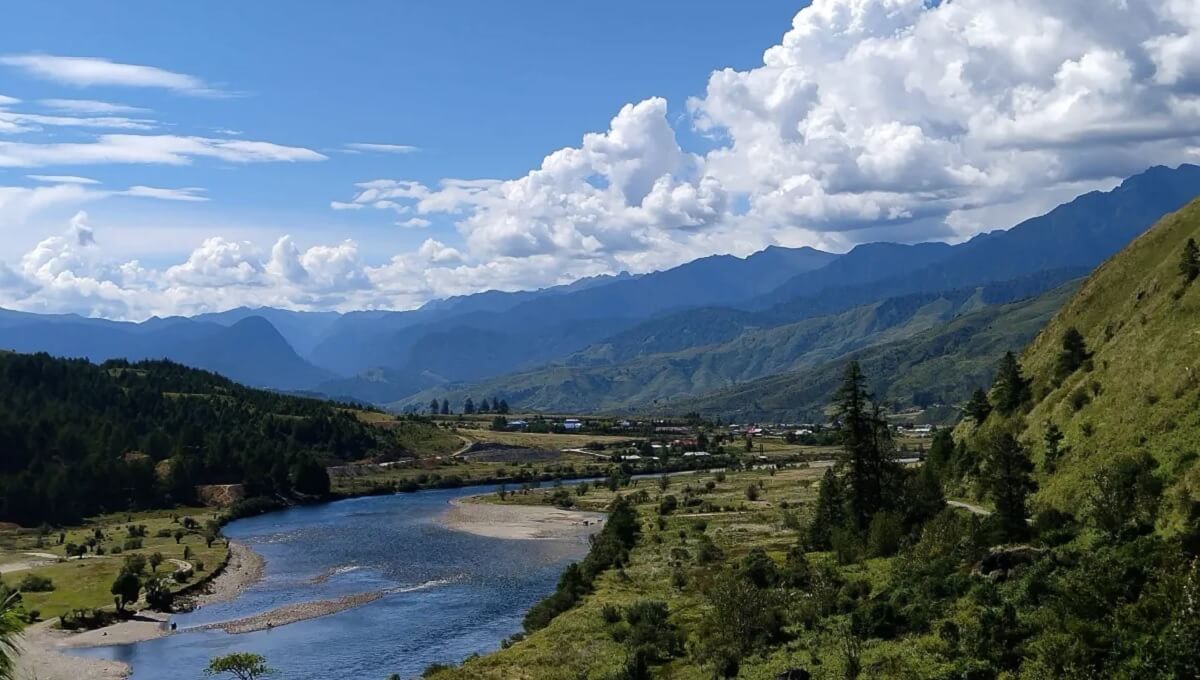
Nestled in the heart of Arunachal Pradesh, Seppa is a hidden gem that beckons Indian travelers looking for adventure and natural beauty. Located approximately 300 km from Guwahati and just 140 km from Itanagar, it’s a convenient escape into the serene landscapes of the Eastern Himalayas.
Nearby attractions like the stunning Pakke Wildlife Sanctuary and the vibrant town of Bomdila make Seppa an ideal base for exploring the region. With a flight time of around 1.5 hours to Guwahati, you can easily find yourself surrounded by lush forests and majestic mountains.
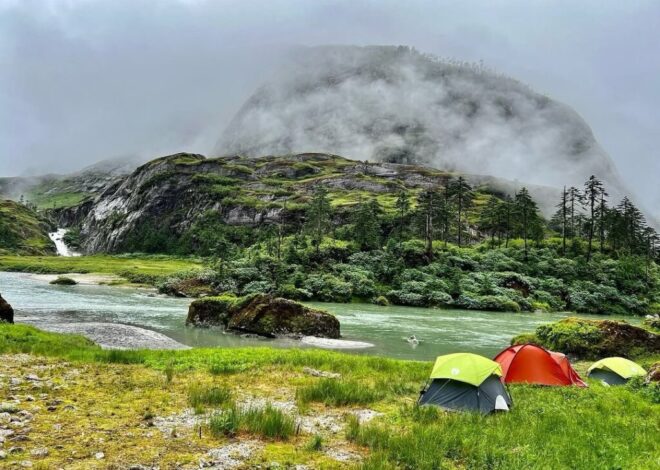
Seppa boasts a diverse climate, with summer lasting from March to June, monsoon from July to September, and winter spanning October to February. While the monsoon season breathes life into the forests, it brings heavy rains that can hinder trekking adventures.
The best time to visit is between October and April, when temperatures range from a comfortable 10°C to 25°C, offering clear skies and accessible trails. Timing your visit is crucial—aligning with holidays and local festivals in March can enhance your experience while avoiding extreme weather ensures a memorable trip.
Ready to uncover the secrets of Seppa? This post will guide you on the perfect timing for your adventure, ensuring you make the most of your journey to this enchanting destination!
Best Months to Visit
October through April offers the most stable and favorable climate for travel in Seppa. This period guarantees minimal weather disruption. It is the recommended window for a secure and comfortable experience.
During October, travelers experience mild temperatures ranging from 10°C to 25°C, ideal for trekking in the surrounding hills. The clear skies allow for stunning views of the landscape, enhancing the overall outdoor experience. Visitors can comfortably engage in long hikes without the concern of sudden weather changes.
October’s mild temperatures and clear skies create perfect conditions for hiking and breathtaking landscape views.
In March, the weather remains consistently pleasant, further encouraging exploration of local cultural sites. Festivals during this time attract visitors, providing rich cultural engagement. Travelers can partake in various activities, such as local cuisine tours and handicraft workshops, without the hindrance of heavy rains or humidity.
In contrast, from May to September, the monsoon season brings heavy rainfall and high humidity. Travelers report difficulty navigating outdoor attractions and limited visibility at scenic viewpoints. The weather restricts the ability to enjoy Seppa’s natural beauty, forcing many to stay indoors and miss out on the region’s vibrant culture and stunning landscapes.
Seasonal Weather Guide
Seppa’s weather varies significantly across seasons, influencing your travel plans. Prepare for warm summers, cooler winters, and a rainy season that may impact outdoor activities.
Summer
Travel is highly advisable during the summer months in Seppa, specifically from June to August. This period generally features temperatures ranging from 20°C to 30°C, providing a warm yet manageable climate for outdoor activities. Travelers can expect minimal weather disruptions, making it an ideal time to explore the region’s natural beauty and cultural offerings.
The warm weather in Seppa encourages hiking enthusiasts to venture into the surrounding landscapes, where trails are easily navigable and visibility is optimal. Many travelers report enjoying clear skies and pleasant temperatures, allowing for extended hikes without the discomfort of extreme heat or humidity. This climate enhances the overall experience, enabling visitors to fully immerse themselves in the stunning scenery.
Bird watchers find summer in Seppa particularly rewarding, as the dry conditions lead to increased visibility of local wildlife. The favorable weather allows for comfortable early morning outings, where travelers can observe various bird species in their natural habitats. Many report successful sightings that enhance their appreciation for the region’s biodiversity.
Local markets thrive during the summer months, attracting both residents and visitors. The dry weather makes browsing stalls and engaging with local vendors enjoyable. Travelers can experience authentic local culture while sampling regional foods and crafts, all without the interference of rain that typically plagues other seasons.
Winter
Travel is advisable from November to February in Seppa. This period presents cooler temperatures between 5°C and 15°C, making it conducive for outdoor activities. Travelers can enjoy a safe and comfortable experience, particularly for trekking and nature walks.
The dry and clear weather during winter allows for unimpeded trekking experiences on well-established trails. Hikers report fewer crowds, enabling a serene atmosphere ideal for immersive nature encounters. This season’s stability grants travelers ample opportunities to explore Seppa’s unique landscapes without disruptions.
Wildlife observation becomes a highlight of winter travel. Adventurous visitors have noted sightings of migratory birds and mammals adapting to the colder conditions. These encounters enrich the travel experience, providing valuable insights into the region’s biodiversity.
Layered clothing is essential due to significant temperature drops in the early mornings and late evenings. Travelers who venture out early have successfully avoided the coldest hours, enhancing their hiking comfort. Overall, winter in Seppa fosters a calm environment, allowing for extensive exploration of the region’s natural beauty without the burden of heat or heavy rainfall.
Rainy Season
Travel is strongly discouraged between June and September in Seppa. This season presents consistent and severe weather hazards. We advise rescheduling plans to ensure traveler safety and itinerary integrity.
During these months, heavy rainfall dominates the weather, leading to slippery trails and challenging trekking conditions. Travelers have reported canceled hiking excursions due to dangerous mudslides, restricting access to popular trekking routes like the Seppa Trek. The risk of injury or being stranded is significantly heightened, making exploration impractical.
The persistent rain also impacts visibility in the region, making sightseeing difficult. Visitors attempting to explore attractions like the lush forests or vibrant flora have encountered obscured views, diminishing their experience. Many have expressed frustration over their limited ability to capture the beauty of the landscape due to the constant downpour.
In addition, the muddy conditions often result in fewer transportation options, as roads may become impassable. Travelers have faced delays or cancellations in local transport services, affecting planned itineraries and leading to extended stays in accommodations. This unpredictability can disrupt travel plans significantly, underscoring the importance of avoiding this period.
Best Time for Different Traveller
The ideal time to visit Seppa varies based on your travel preferences, with different seasons catering to families, adventure seekers, budget travelers, and honeymooners.
Best Time for Family Travelers
The best time for family travelers to visit Seppa is during the spring and autumn months, specifically from March to May and September to November. These periods offer mild temperatures between 15°C and 25°C, ensuring a comfortable travel experience. Planning your trip during these months will enhance safety and enjoyment for families.
In spring, travelers benefit from clear skies and moderate temperatures. Families can engage in outdoor activities such as gentle trekking and picnicking in local parks without the risk of extreme cold or heavy rains. This weather encourages children to explore and enjoy nature, fostering memorable experiences.
During autumn, the pleasant climate continues, making it ideal for family outings. Visitors can participate in local festivals or explore cultural sites without the hindrance of crowded tourist hotspots. The mild evenings allow families to enjoy outdoor dining and leisure activities, creating a relaxed atmosphere for bonding.
Both seasons also enable families to dress in light layers, accommodating cooler mornings and evenings. This flexibility enhances comfort and encourages extended outdoor adventures, ensuring families can safely maximize their itinerary in Seppa.
Best Time for Adventure Travelers
October through February offers the most stable and favorable climate for travel in Seppa. This period guarantees minimal weather disruption. It is the recommended window for a secure and comfortable experience.
During these months, temperatures range from 10°C to 20°C, allowing trekkers to navigate the trails with ease. Travelers report fewer slips and falls on the paths, enhancing both safety and enjoyment. The clear skies provide excellent visibility, making it easier to appreciate the stunning landscapes.
Adventure sports, such as river rafting, thrive in this climate. The reduced rainfall results in safer water levels, allowing for exhilarating experiences without the risk associated with heavy rains. Travelers frequently share stories of thrilling rafting adventures, facilitated by the dependable weather.
Furthermore, the cool evenings discourage excessive heat and discomfort. Campers and outdoor enthusiasts relish the crisp air, which makes for restful nights. Many travelers cite this climate as ideal for late-night stargazing, free from the interruptions of rain or humidity.
Best Time for Budget Travelers
March through September provides the most favorable climate for budget travelers in Seppa. This period ensures comfortable weather conditions, with temperatures ranging from 15°C to 28°C. It is the recommended window for experiencing the destination economically while enjoying pleasant weather.
During this time, travelers can take advantage of the warm weather to explore local markets and engage in nature walks. The lack of heavy rainfall and mild temperatures facilitate outdoor activities, allowing visitors to immerse themselves in the local culture without weather interruptions. Travelers reported that they could spend hours exploring vibrant markets, sampling local cuisine, and interacting with residents, all under clear skies.
Moreover, utilizing public transportation becomes more feasible during these months. The pleasant weather encourages travelers to use buses and shared vehicles, significantly lowering travel costs. Many reported that relying on public transport allowed them to visit multiple attractions in a day, enhancing their overall experience while keeping expenses manageable.
In contrast, visiting during October and November poses challenges due to increased tourist traffic and rising prices. Travelers have noted that accommodations become scarce and costly, which diminishes the budget experience. The surge in visitors can lead to crowded attractions, making it difficult to enjoy the serene beauty that Seppa typically offers during the off-peak months.
Best Time for Honeymoon Travelers
October and November offer the most favorable climate for honeymoon travelers in Seppa. This period guarantees mild temperatures and minimal weather disruption. It is the recommended window for a secure and comfortable experience.
During October, temperatures typically range from 15°C to 25°C, allowing couples to participate in outdoor activities such as forest walks and river picnics. Travelers report enjoying serene evenings by the water, taking advantage of the clear skies to witness stunning sunsets. These conditions foster intimate experiences, enhancing the romantic atmosphere of the trip.
In November, the gentle climate continues, encouraging exploration of local attractions without the heavy crowds typical of peak summer months. Couples have successfully engaged in hiking and sightseeing, relishing the tranquility of nature. This time of year provides ample opportunities for bonding moments away from bustling tourist spots.
In contrast, the monsoon season from June to September presents severe weather hazards, including heavy rainfall that disrupts travel plans. Travelers have faced challenges like flooded roads and limited access to attractions, significantly impacting their itineraries. Therefore, avoiding this period is crucial for a seamless honeymoon experience.