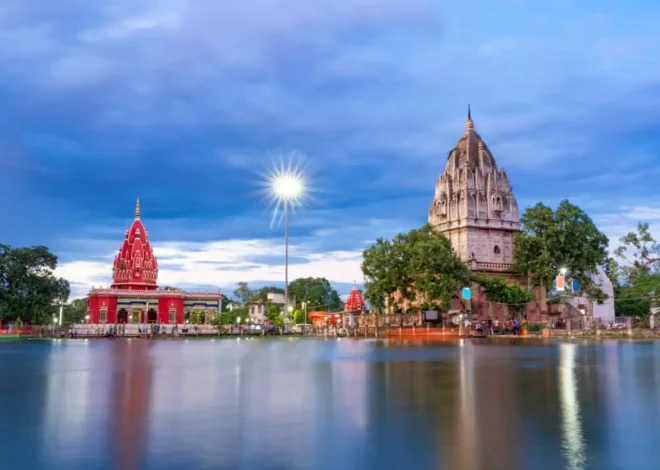
Best Time to Visit Bhagalpur – Weather, Silk City & Tourism
Nestled in the eastern part of India, Bhagalpur is a gem waiting to be discovered by Indian travelers. Located approximately 250 kilometers from Patna and 400 kilometers from Kolkata, this vibrant city is not just famous for its exquisite silk; it also serves as a gateway to other attractions like the historic Vikramshila University and the serene Mandar Hill.
A flight to Bhagalpur from major cities like Delhi or Mumbai typically takes about 2-3 hours, making it an accessible destination for quick getaways.
Bhagalpur experiences a diverse climate, with summer stretching from April to June, where temperatures can soar above 40°C, making outdoor activities quite uncomfortable. The monsoon season runs from July to September, bringing heavy downpours that can disrupt travel plans.
Winter, from October to March, is the ideal time to visit, with temperatures ranging from a cool 15°C to a pleasant 28°C, perfect for exploring the city’s cultural treasures.
Choosing the right time to visit Bhagalpur is crucial to avoid the extremes of weather and ensure a memorable experience. In this post, we’ll guide you through the best time to plan your trip, so you can fully immerse yourself in the rich tapestry of Bhagalpur’s culture and history.
Get ready to discover why Bhagalpur should be at the top of your travel list!
Best Months to Visit
October through March offers the most stable and favorable climate for travel in Bhagalpur. This period guarantees minimal weather disruption. It is the recommended window for a secure and comfortable experience.
From October to early November, average temperatures range from 15°C to 25°C, creating ideal conditions for sightseeing. Travelers can comfortably explore the ancient ruins at Vikramshila or the scenic banks of the Ganges without the oppressive heat or humidity. The pleasant weather encourages longer outdoor excursions, enhancing the overall travel experience.
October to early November offers ideal 15°C-25°C weather for exploring Vikramshila ruins and Ganges banks comfortably.
In December and January, temperatures dip slightly, providing a crisp atmosphere conducive to cultural exploration. Visitors can engage in local festivals like Chhath Puja, where they witness traditional rituals along the riverbanks. The cooler temperatures enhance the comfort of participating in outdoor events, allowing travelers to immerse themselves in Bhagalpur’s rich cultural heritage.
March marks the transition into warmer temperatures, reaching up to 28°C. This month is ideal for visiting local markets and participating in spring festivals. Travelers can enjoy the vibrant atmosphere while shopping for handicrafts or sampling local cuisine, all under favorable weather conditions. The sunny days and mild evenings foster a welcoming environment for social interactions and community engagement.
Seasonal Weather Guide
Bhagalpur experiences distinct seasonal changes, with hot summers and cool winters, alongside a humid monsoon period. Now, let’s explore the specifics of each season.
Summer
Travel is not advisable during the summer months, particularly between April and June, in Bhagalpur. This period experiences extreme heat, with temperatures often soaring between 30°C and 45°C. The intense heat can lead to discomfort and health risks for travelers engaging in outdoor activities.
During peak summer, the oppressive heat can severely restrict outdoor exploration. Travelers attempting to visit local attractions may find themselves fatigued quickly, limiting their ability to fully enjoy sites such as the local silk workshops or cultural landmarks. Many visitors report shortened outings due to the relentless sun, impacting their itinerary.
The high temperatures also lead to a decline in participation at outdoor events and festivals. Although Bhagalpur hosts summer festivals showcasing local culture, the daytime heat often results in low attendance. Travelers have noted that evening events are much more enjoyable, but daytime activities become challenging, pushing them to seek air-conditioned spaces or shaded areas.
Moreover, the necessity for hydration and light clothing becomes paramount, affecting the overall travel experience. Travelers frequently need to prioritize breaks in air-conditioned environments, such as museums or cafes, which can disrupt planned sightseeing tours. Therefore, careful planning is essential for anyone considering travel to Bhagalpur during this sweltering season.
Winter
Travel is highly recommended from November to February in Bhagalpur. This timeframe offers conducive weather conditions that enhance the travel experience. The cooler temperatures and lower humidity ensure a comfortable exploration of the region.
November typically brings average temperatures between 18°C and 22°C. Travelers can engage in vibrant winter festivals showcasing local culture and crafts, allowing for immersive experiences. The pleasant weather facilitates participation in outdoor activities, making it an ideal time for sightseeing.
By December, temperatures drop to a comfortable range of 12°C to 20°C. This climatic shift encourages increased cultural events and sightseeing opportunities. Travelers can enjoy visiting historical sites and silk markets without the discomfort associated with heat, ensuring a more enjoyable experience.
January marks the coldest month, with temperatures ranging from 10°C to 18°C. The cooler days lead to fewer crowds at popular attractions, allowing for more intimate experiences. Travelers can explore Bhagalpur’s rich history and heritage without the pressure of large tourist groups.
As February arrives, temperatures rise slightly to between 15°C and 22°C. The end of winter festivals offers a unique opportunity for travelers to witness the culmination of local traditions. This month remains favorable for outdoor excursions, enhancing the overall travel experience in Bhagalpur.
Rainy Season
Travel is strongly discouraged between June and September in Bhagalpur. This season presents consistent and severe weather hazards. We advise rescheduling plans to ensure traveler safety and itinerary integrity.
During the rainy season, heavy downpours occur frequently, leading to waterlogged streets in low-lying areas. Travelers attempting to explore local markets often face significant delays due to inaccessible roads. Many have reported being stranded, resulting in missed opportunities for shopping and dining.
Humidity levels soar, creating a heavy atmosphere that can be uncomfortable for outdoor excursions. Hikers planning to visit the nearby hills may find trails slippery and hazardous, increasing the risk of falls. Numerous visitors have turned back, prioritizing safety over adventure.
Frequent storms disrupt transportation schedules, causing flight cancellations and train delays. Travelers heading to Bhagalpur for business or leisure often find that their itineraries are severely impacted. Many have opted for indoor activities, such as visiting local museums, only to discover extended wait times due to the influx of travelers seeking shelter from the rain.
Best Time for Different Traveller
The ideal time to visit Bhagalpur depends on the type of traveler you are, with various preferences for climate and activities.
Best Time for Family Travelers
October through March offers the most stable and favorable climate for travel in Bhagalpur. This period guarantees minimal weather disruption. It is the recommended window for a secure and comfortable experience.
During these months, daytime temperatures range from 15°C to 28°C, allowing families to explore local markets without discomfort. Travelers report enjoying leisurely strolls while sampling local cuisine, free from the oppressive heat that characterizes the summer months. The cooler weather encourages families to engage in outdoor activities like visiting silk weaving centers, enhancing the cultural experience.
The pleasant climate also allows for participation in traditional festivals and events. Families can comfortably attend local celebrations, taking in the vibrant atmosphere without the hindrance of heavy rain or extreme temperatures. Children and older family members can join in sightseeing excursions, resulting in a more inclusive travel experience.
In contrast, travelers who visit during the summer months face significant challenges. Temperatures exceeding 35°C often lead to fatigue and discomfort, forcing families to limit outdoor activities. The monsoon season, with its heavy rains, can disrupt plans, leading to cancellations and diminished enjoyment of the destination’s attractions.
Best Time for Adventure Travelers
October through February offers the most stable and favorable climate for travel in Bhagalpur. This period guarantees minimal weather disruption. It is the recommended window for a secure and comfortable experience.
During October to February, temperatures generally range from 10°C to 25°C, providing clear skies ideal for trekking in the surrounding hills. Travelers report enjoying uninterrupted trails, allowing them to fully immerse in the natural beauty without the hindrance of rain or humidity.
In this timeframe, local attractions like the Vikramshila Ruins remain accessible and enjoyable. Visitors have noted that the pleasant weather enhances their exploration of these historical sites, enabling them to appreciate the rich cultural heritage without the risk of monsoon-related disruptions.
Additionally, cooler temperatures significantly improve experiences during river rafting on the nearby Ganges. Adventurers have expressed satisfaction with the stable weather conditions, which ensure safer navigation and more enjoyable water activities, free from the dangers posed by heavy rains.
Best Time for Budget Travelers
Travel is advisable from March to September in Bhagalpur. This off-peak season presents more affordable travel options with reduced crowd sizes. Budget-conscious travelers can expect a comfortable experience during these months.
During March to April, temperatures typically range from 25°C to 35°C. This mild weather allows travelers to explore local attractions such as the ancient Vikramshila University without the discomfort of extreme heat. Visitors can enjoy outdoor activities and sightseeing, making the most of their journeys.
In May and June, temperatures can peak at 38°C, leading to sweltering conditions. Many travelers opt for indoor activities, such as visiting museums or indulging in local cuisine at air-conditioned restaurants. While this heat can be challenging, it also means fewer tourists at popular eateries, allowing for more personalized service.
From July to September, the monsoon season brings heavy rainfall and occasional travel disruptions. However, this weather also results in fewer tourists, which can lead to lower accommodation prices. Travelers can experience Bhagalpur’s vibrant culture through local festivals that often take place during this period, providing unique insights into the region’s traditions.
Best Time for Honeymoon Travelers
October through February offers the most stable and favorable climate for travel in Bhagalpur. This period guarantees minimal weather disruption. It is the recommended window for a secure and comfortable experience.
During these months, temperatures range between 10°C and 25°C, allowing travelers to explore attractions like the Vikramshila Ruins with ease. The mild weather promotes extended visits, enabling couples to delve deeper into the historical significance without the risk of heat exhaustion.
With the absence of heavy rainfall, dining experiences are greatly enhanced. Travelers can savor local cuisine at restaurants and street food stalls without the interruptions of crowded spaces, allowing for a more intimate and enjoyable culinary journey.
The calm evenings during this period provide ideal conditions for leisurely walks along the riverbanks. Couples can engage in romantic strolls, appreciating the serene atmosphere without the discomfort of humidity or rain, fostering moments of connection and relaxation together.