
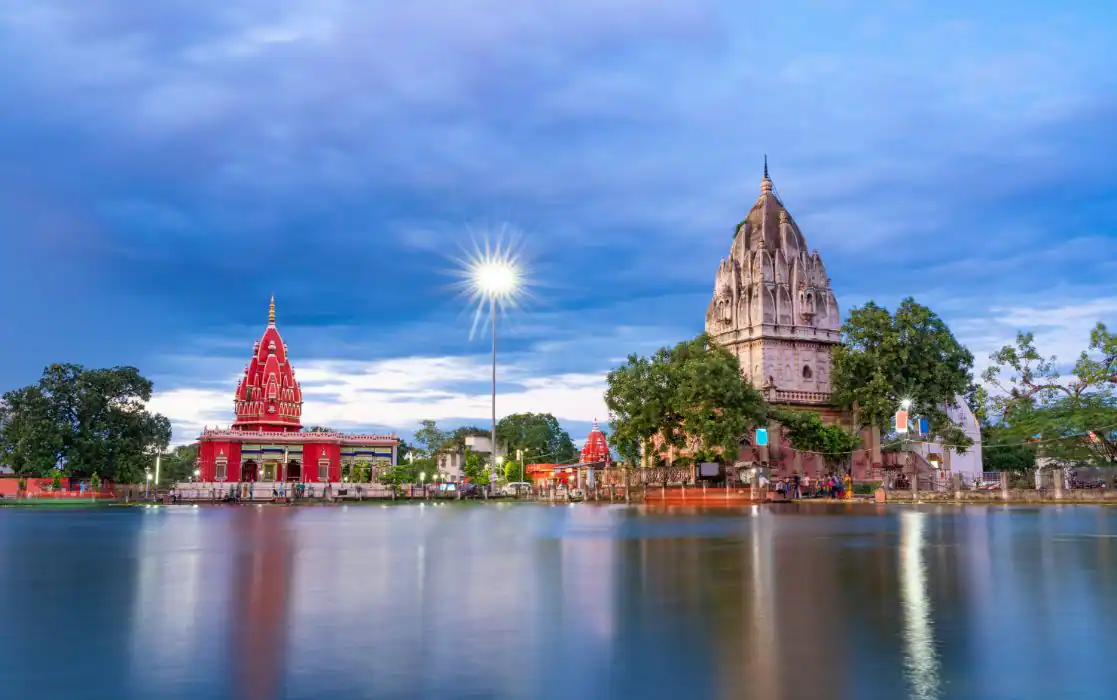
Best Time to Visit Darbhanga – Climate, Culture & Heritage
Nestled in the heart of Bihar, Darbhanga is a captivating destination that lies approximately 160 kilometers from Patna and just a short flight away from major cities like Delhi and Kolkata. Its strategic location makes it an appealing stop for Indian travelers seeking to explore the rich cultural heritage of the region.
Nearby, you can also visit the historical cities of Madhubani and Muzaffarpur, each brimming with art and tradition, making Darbhanga a perfect base for a cultural getaway.
When planning your visit, it’s essential to consider Darbhanga’s diverse climate. The summer months from April to June can be sweltering, with temperatures soaring above 40°C, while the monsoon season from July to September brings heavy rains that might hinder outdoor activities.
On the flip side, the winter months from October to March offer a refreshing escape, with pleasant temperatures ranging between 15°C and 28°C, ideal for exploration.
Choosing the right time to visit is crucial for Indian travelers. Aligning your trip with the winter months means you can enjoy local festivals, savor authentic cuisine, and engage with vibrant traditions without the discomfort of extreme weather.
Prepare to uncover the charm of Darbhanga! This post will guide you through the best times to visit, ensuring your experience is unforgettable.
Best Months to Visit
October through March offers the most stable and favorable climate for travel in Darbhanga. This period guarantees minimal weather disruption. It is the recommended window for a secure and comfortable experience.
During October, travelers experience cooler temperatures averaging around 20°C, ideal for exploring historical sites like the Darbhanga Fort. Visitors report enjoying leisurely strolls without the discomfort of heat, allowing for extended exploration and cultural immersion.
October’s mild 20°C weather is perfect for relaxed visits to Darbhanga Fort and immersive cultural experiences.
In December, the weather stabilizes further, with average lows around 15°C. This makes outdoor activities, such as visiting local markets or participating in festivals, highly enjoyable. Travelers have noted that the pleasant climate enhances the experience of local cuisine, encouraging them to try seasonal delicacies.
March marks the transition to warmer weather, yet temperatures remain manageable at about 28°C. This month features cultural events like Holi, where visitors engage in vibrant celebrations. The comfortable conditions allow for full participation in festivities without the hindrance of excessive heat, ensuring a memorable experience.
Travel is strongly discouraged between June and September in Darbhanga. This season presents consistent and severe weather hazards. We advise rescheduling plans to ensure traveler safety and itinerary integrity.
Seasonal Weather Guide
Darbhanga’s climate varies significantly throughout the year, transitioning from the intense heat of summer to the cooler winter months. Be prepared for the heavy monsoon rains in between.
Summer
Travel is not advisable during the summer months of April to June in Darbhanga. This period experiences extreme heat, with temperatures soaring between 30°C and 45°C. Travelers should anticipate significant discomfort and potential health risks due to the relentless sun and dry conditions.
During this time, the high temperatures can severely limit outdoor activities. Tourists attempting to explore local attractions may find themselves fatigued and overheated, leading to shortened excursions and missed experiences. Many travelers report needing to return to their accommodations earlier than planned due to the oppressive heat.
The festival of Chhath Puja, while culturally significant, draws large crowds despite the weather. Participants often struggle with hydration and sun exposure, resulting in a diminished enjoyment of the festivities. Travelers frequently express concerns over the heat’s impact on their overall experience and safety during these events.
Finally, summer cuisine, while refreshing, may not fully counteract the effects of the heat. Travelers seeking to indulge in local delicacies like lassi and seasonal fruits may find their appetites affected by the high temperatures. Many report seeking shade or indoor dining options, limiting their engagement with the vibrant street food culture that Darbhanga offers during cooler months.
Winter
Travel is highly recommended from November to February in Darbhanga. This winter season ensures cooler temperatures and minimal weather disruptions. It is the optimal timeframe for a safe and enjoyable travel experience.
Daytime temperatures range from 15°C to 25°C during this period, allowing travelers to comfortably explore local attractions. For instance, visitors can stroll through the historic Darbhanga Fort or enjoy the scenic beauty of the nearby lakes without the oppressive heat often found in other seasons.
Nighttime temperatures can drop to 7°C to 10°C, prompting travelers to partake in evening activities such as local food markets and cultural performances. The cooler evenings create a pleasant atmosphere for experiencing traditional winter festivals that showcase regional heritage, offering unique culinary delights and local crafts.
The dry winter weather leads to clearer skies and lower humidity, enhancing visibility for sightseeing. Travelers can confidently navigate the city and engage in informal outdoor activities like kite flying and cycling, which are favored during this cooler season. The pleasant climate significantly enhances the overall travel experience in Darbhanga during these months.
Rainy Season
Travel is strongly discouraged between June and September in Darbhanga. This season presents consistent and severe weather hazards. We advise rescheduling plans to ensure traveler safety and itinerary integrity.
Frequent heavy monsoon rains characterize this period, leading to slippery roads and potential flooding in low-lying areas. Travelers have reported significant delays in transportation, including canceled bus and train services, which disrupts planned itineraries. Many found that local attractions were inaccessible due to waterlogged pathways, resulting in missed experiences.
Increased humidity during this time makes outdoor activities challenging. Tourists attempting to explore local markets often felt uncomfortable, with the heat index making it feel warmer than actual temperatures. Many opted to cut their sightseeing short, impacting their ability to fully experience Darbhanga’s rich cultural offerings.
During the rainy season, outdoor festivals may be scheduled, but adverse weather can limit participation. Travelers have noted that festival locations can become muddy and unsafe, detracting from the enjoyment of these cultural events. Consequently, many chose to skip these activities, missing out on the unique local cuisine and traditional celebrations associated with the monsoon.
Best Time for Different Traveller
For family trips, cooler months are best. Adventure seekers should explore in pre-monsoon. Budget travelers and honeymooners can enjoy shoulder seasons for better prices.
Best Time for Family Travelers
October through March offers the most stable and favorable climate for travel in Darbhanga. This period guarantees minimal weather disruption. It is the recommended window for a secure and comfortable experience.
During October, travelers can expect daytime temperatures around 25°C, ideal for visiting historical sites like the Darbhanga Fort. Families can engage in guided tours without discomfort from high heat, which allows for a more enjoyable exploration of the rich heritage.
In December, temperatures can drop to around 10°C in the evenings. Families can comfortably enjoy outdoor activities such as picnics in local parks, utilizing the pleasant weather to bond and create lasting memories. The cooler evenings encourage early gatherings, enhancing the overall experience.
By February, the weather remains consistent with pleasant days. This is an optimal time for families to explore local markets, where vibrant cultural displays thrive. The absence of extreme weather allows for leisurely strolls, making it easier to navigate and enjoy the local cuisine at well-reviewed eateries.
Travelers during this season can maximize their experience in Darbhanga without the challenges posed by excessive heat or rainfall, ensuring a memorable family outing.
Best Time for Adventure Travelers
April to June is the prime time for adventure travelers in Darbhanga. This period offers favorable weather conditions for outdoor activities. Travelers can expect clearer skies and drier weather, making it a suitable time for trekking and exploring less crowded trails.
During April, the temperatures rise, often reaching between 30°C and 35°C. The hot weather prompts many travelers to set out early in the morning or late in the evening, maximizing their trekking experiences while minimizing exposure to the heat. Adventurers report enjoying the tranquility of the trails, as fewer tourists venture out during this season.
By May, temperatures may approach 40°C, but the drier conditions continue to benefit outdoor sports. Many travelers take advantage of this time to engage in rock climbing and cycling. The clear skies enhance visibility, allowing for breathtaking views of the surrounding landscapes, which enrich the overall experience.
Come June, the heat remains, but the onset of the monsoon season is imminent. While some travelers still embark on expeditions, the risk of sudden rainfall increases. Those who venture out should remain cautious of changing weather patterns, as trails can become slippery. It is essential to plan excursions carefully to ensure safety while still enjoying the adventure.
Best Time for Budget Travelers
Travel is strongly advised between July and September and December to February for budget travelers in Darbhanga. This period provides a comfortable climate with temperatures ranging from 15°C to 30°C. It ensures affordable accommodations and less crowded attractions, making it ideal for a safe and enjoyable experience.
During July to September, travelers often encounter light to moderate rainfall, which can enhance the experience of exploring Darbhanga’s historical sites. The rain revitalizes the landscape, allowing visitors to appreciate attractions like the Darbhanga Fort and the exquisite Rajnagar Palace without the sweltering heat. Travelers report that the cooler temperatures make walking tours more pleasant.
In December to February, the climate is generally dry with cooler evenings. This weather allows for comfortable excursions to local markets and cultural festivals, such as the vibrant Makar Sankranti celebrations. Travelers often enjoy shopping for local handicrafts and savoring traditional foods in open-air settings without discomfort from extreme temperatures.
Best Time for Honeymoon Travelers
October through March offers the most stable and favorable climate for travel in Darbhanga. This period guarantees minimal weather disruption. It is the recommended window for a secure and comfortable experience.
During October, temperatures range from 20°C to 30°C, allowing travelers to enjoy evening walks at Darbhanga Fort. The pleasant weather enhances the romantic ambiance, making it an ideal time for couples to explore the historic site without the discomfort of extreme temperatures.
In November, with average temperatures between 15°C and 28°C, travelers can engage in boat rides on the Kamala River. The clear skies and mild conditions create a serene setting for couples to enjoy the scenic beauty of the river, free from the distractions of harsh weather.
By December, temperatures dip to a comfortable 10°C to 25°C, making temple visits particularly enjoyable. The cooler climate encourages couples to explore the rich cultural heritage of Darbhanga at a leisurely pace, allowing for deeper engagement with the local traditions and architecture.
January brings even cooler temperatures, averaging between 8°C and 22°C, perfect for garden strolls. Couples can take advantage of the crisp air to wander through local gardens, fostering intimate moments amidst the natural beauty.
