Best Time to Visit Srisailam – Wildlife Sanctuary & Temple
Nestled in the heart of Andhra Pradesh, Srisailam is a captivating blend of spirituality and nature, located approximately 200 kilometers from Hyderabad and 300 kilometers from Bengaluru. This enchanting destination is not only home to the revered Srisailam Temple but also boasts the stunning Srisailam Wildlife Sanctuary, making it a top choice for Indian travelers seeking adventure and tranquility.
With a flight time of about an hour from major cities, it’s easily accessible for a weekend getaway.
Srisailam experiences a diverse climate that transforms throughout the year. The summer months (April to June) can be scorching, with temperatures soaring above 40°C, while the monsoon season (July to September) brings heavy rainfall that can hinder outdoor exploration.
On the other hand, the winter months (October to March) offer the most pleasant weather, with temperatures ranging from 15°C to 30°C, perfect for temple visits and wildlife spotting.
Choosing the wrong time to visit could overshadow your experiences, especially during extreme heat or heavy rains. By aligning your trip with the cooler months, you can enjoy fewer crowds and comfortable conditions, enhancing your journey.
Get ready to uncover the best times to visit Srisailam, ensuring an unforgettable experience filled with spiritual and natural wonders!
Best Months to Visit
October through March offers the most stable and favorable climate for travel in Srisailam. This period guarantees minimal weather disruption. It is the recommended window for a secure and comfortable experience.
During October, temperatures range between 15°C and 30°C, allowing travelers to explore the Srisailam Wildlife Sanctuary with ease. Hikers report enjoying clear skies and moderate weather, enabling long treks without the fatigue associated with extreme heat.
In February, visitors often partake in local festivals like Maha Shivaratri. The pleasant weather encourages travelers to engage in temple activities and cultural experiences without the discomfort of sweltering temperatures. However, the influx of visitors can lead to crowded conditions around this time.
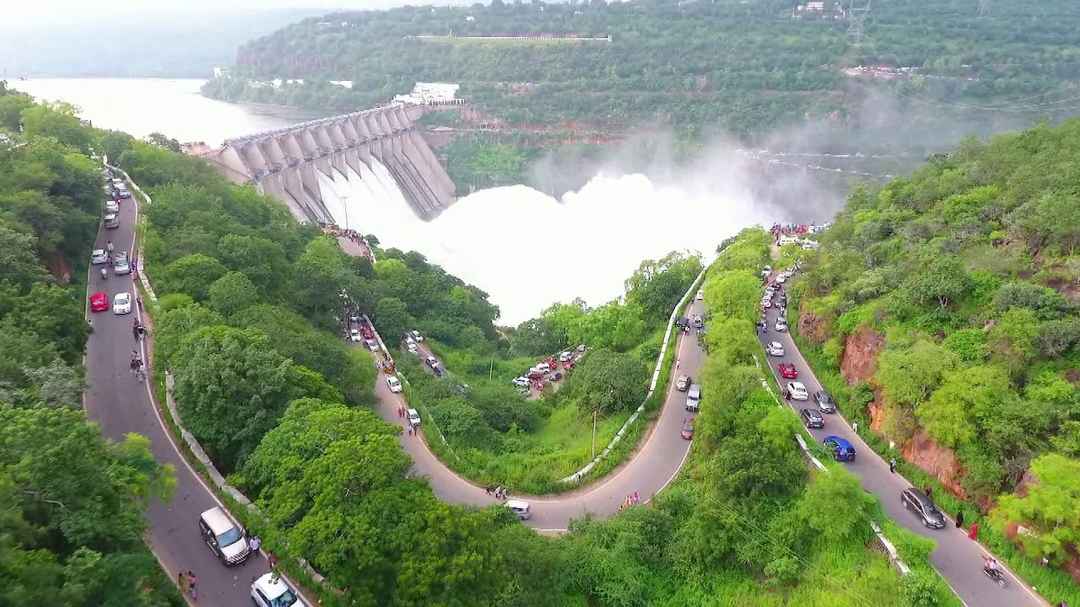
Travelers who visit in early November appreciate the tranquility of the destination. With fewer tourists, they can enjoy the serene atmosphere while visiting key attractions, such as the Srisailam Dam and temple complex, without the rush that characterizes peak times.
In contrast, those planning trips from April to June face severe heat, often exceeding 40°C. Outdoor activities become challenging, deterring many from exploring the region’s natural beauty and cultural sites effectively.
Seasonal Weather Guide
Srisailam features three distinct seasons: summer, winter, and the rainy season, each presenting unique weather conditions that influence activities throughout the year.
Summer
Traveling to Srisailam during the summer months is feasible for safety-conscious visitors. While temperatures can soar between 35°C and 40°C, proper preparation allows for a secure experience. Early morning and late evening visits are advisable to mitigate discomfort from the heat.
High daytime temperatures in Srisailam lead to early morning wildlife activity. Travelers can maximize their experience by participating in wildlife safaris at dawn, when peacocks and deer are most active. This timing allows for optimal viewing opportunities and avoids the oppressive midday sun.
The heat during the afternoon can hinder outdoor exploration. Travelers may find that temple visits and sanctuary walks become taxing if undertaken during peak hours. Planning visits for early mornings or late evenings ensures a more comfortable and enjoyable experience, minimizing heat exposure.
Crowd levels during summer are generally lower compared to winter months. This allows visitors to explore the sanctuary and temple areas with greater ease and tranquility, enhancing the overall experience. The absence of large crowds also contributes to a more intimate connection with the natural surroundings.
Winter
Travel is highly advisable from November to February in Srisailam. This winter season provides a stable climate characterized by cooler temperatures between 15°C and 25°C. Travelers can expect minimal weather disruptions, making it an optimal period for outdoor exploration.
During this time, the cooler temperatures lead to increased wildlife activity in Srisailam’s wildlife sanctuary. Travelers often report enhanced sightings of deer, peacocks, and various bird species, as animals are more active in the mild climate. This allows for greater opportunities to observe and photograph wildlife without the hindrance of intense summer heat.
Additionally, winter visitors can participate in local cultural festivities, which often occur near the temple. The pleasant weather facilitates outdoor fairs, music performances, and religious celebrations, allowing travelers to engage deeply with local traditions. The comfortable climate encourages extended exploration of these vibrant events without the discomfort of extreme temperatures.
Moreover, winter’s cooler weather reduces tourist crowds compared to the summer months. Many travelers appreciate the quieter environment, which allows for a more intimate experience of Srisailam’s attractions. This aspect enhances the overall enjoyment of the visit, as travelers can peacefully navigate the temple complex and surrounding areas.
Rainy Season
Travel is strongly discouraged between June and September in Srisailam. This season presents consistent and severe weather hazards. We advise rescheduling plans to ensure traveler safety and itinerary integrity.
During the monsoon period, heavy rainfall significantly impacts outdoor activities. Travelers attempting to trek in the Srisailam Wildlife Sanctuary often face slippery trails, leading to increased risks of slips and falls. The persistent downpours can also limit visibility, making navigation challenging and potentially dangerous.
In addition, the high humidity and wet conditions deter many wildlife sightings. Visitors hoping to observe animals in their natural habitat may find that numerous species seek shelter, resulting in fewer encounters. This can lead to a dissatisfying experience for wildlife enthusiasts.
Lastly, frequent heavy showers can disrupt travel plans and lead to road closures. Travelers may encounter unexpected delays or detours, ultimately prolonging their journey time. Therefore, it is crucial to stay informed about weather updates and reconsider travel during this period for a safer experience in Srisailam.
Best Time for Different Traveller
If you’re traveling with family, the cooler months from October to February offer comfortable weather and fewer crowds. Next, adventure seekers will find the monsoon season ideal for trekking and enjoying waterfalls.
Best Time for Family Travelers
October through February offers the most stable and favorable climate for travel in Srisailam. This period guarantees minimal weather disruption. It is the recommended window for a secure and comfortable experience.
During October, temperatures range from 15°C to 28°C, creating ideal conditions for family visits to the Srisailam Wildlife Sanctuary. Early morning excursions provide opportunities for children to observe diverse wildlife in comfortable weather, enhancing the educational aspect of the trip.
As winter progresses, families can engage in temple visits without the discomfort of excessive heat. The pleasant temperatures encourage exploration of local attractions, allowing for leisurely walks around the famous Srisailam Dam while enjoying the scenic views.
In contrast, the summer months from March to June can exceed 40°C, resulting in heat-related travel challenges. Families often find outdoor activities limited due to the extreme temperatures, which can lead to fatigue and minimize enjoyment during their stay.
Traveling during the recommended months ensures that families can fully enjoy Srisailam’s natural beauty and cultural heritage without the hindrance of adverse weather conditions.
Best Time for Adventure Travelers
October through March offers the most stable and favorable climate for travel in Srisailam. This period guarantees minimal weather disruption. It is the recommended window for a secure and comfortable experience.
During October to March, temperatures range from 15°C to 30°C, with dry conditions prevailing. Travelers engaging in wildlife trekking report increased visibility and comfort while navigating trails. The absence of rain allows for easier access to remote areas, enhancing the overall trekking experience.
In contrast, April to June brings intense heat, with temperatures soaring between 35°C to 45°C. Adventure travelers attempting outdoor activities during this season often face exhaustion and dehydration risks. Many report shortened excursions due to the oppressive heat, limiting their ability to fully enjoy Srisailam’s natural beauty.
From July to September, heavy rains create slippery and dangerous trail conditions, with temperatures ranging from 20°C to 28°C. Travelers venturing out during this time frequently encounter obstacles, such as flooded paths and increased insect activity. Limited outdoor options result in missed opportunities for adventure sports, ultimately detracting from the overall trip experience.
Best Time for Budget Travelers
Travel to Srisailam from April to September is feasible for budget-conscious travelers. This period experiences higher temperatures, ranging from 30°C to 40°C. The reduced visitor numbers during these months facilitate a more intimate exploration of the area’s attractions.
April through June often brings dry conditions, which allows for uninterrupted wildlife viewing at the Srisailam Sanctuary. Travelers can easily spot various species in their natural habitats due to the lower foliage density. This clear visibility enhances the wildlife experience significantly, allowing visitors to engage fully with nature.
July to September sees an increase in humidity but remains manageable. The fewer tourists during this time offer travelers a unique opportunity to visit the famous Srisailam Temple without the usual crowds. This unobstructed access allows for a more meaningful experience in appreciating the temple’s architecture and spiritual ambiance.
Additionally, accommodation prices typically drop during these months, resulting in significant savings. Budget travelers can take advantage of reduced rates at guesthouses and hotels, allowing for extended stays. This financial relief enables visitors to allocate funds toward local cultural experiences and budget-friendly activities, such as guided nature walks and temple tours.
Best Time for Honeymoon Travelers
October through March offers the most stable and favorable climate for travel in Srisailam. This period guarantees minimal weather disruption. It is the recommended window for a secure and comfortable experience.
During October, mild weather prevails, with temperatures ranging from 15°C to 30°C. Travelers report enjoying leisurely walks around the Srisailam Dam and participating in outdoor activities like trekking, benefiting from the pleasant temperatures and lower humidity.
In November, clear skies dominate the climate, enhancing visibility for sightseeing. Travelers often explore the intricacies of the Srisailam Temple, taking advantage of the ideal conditions to appreciate intricate sculptures and engage in photography without worrying about sudden rain or harsh sunlight.
December brings cooler nights, making it suitable for evening outings. Couples typically enjoy candlelight dinners at local restaurants, taking advantage of the comfortable evenings to connect over shared experiences.
January presents pleasantly warm days which are perfect for nature walks in the surrounding forests. Adventurous travelers partake in guided tours, marveling at wildlife and flora, while comfortably navigating the trails without the challenges of oppressive heat.
February offers warm days that are ideal for temple visits. Travelers capitalize on this climate, participating in local festivals and rituals, which enrich their cultural experience while enjoying the inviting weather.