Best Time to Visit Coringa – Mangrove Forests & Wildlife
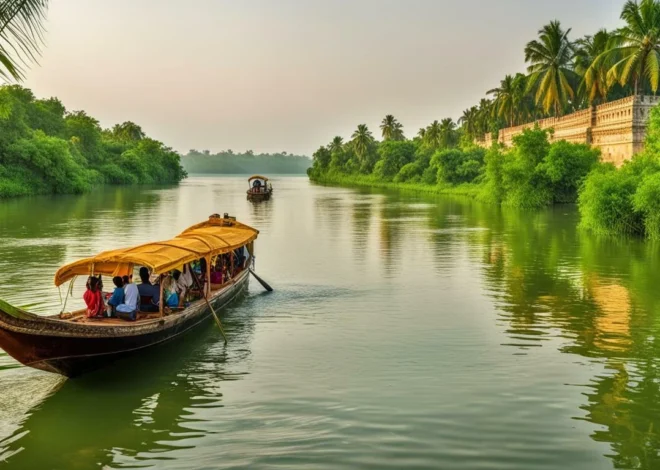
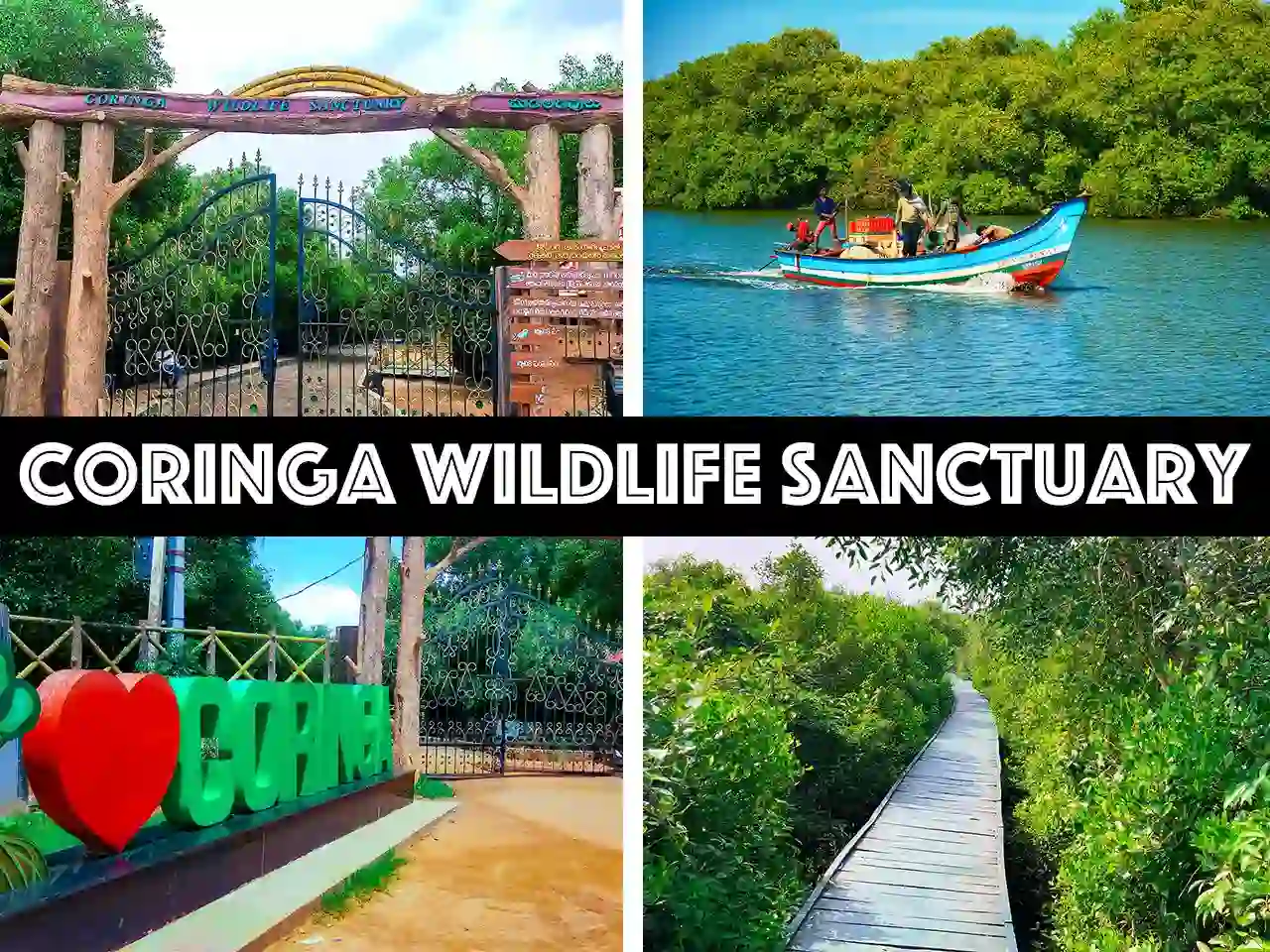
Nestled along the eastern coast of India, Coringa Mangrove Forests are a hidden gem waiting to be explored. Located just about 450 kilometers from Hyderabad and 600 kilometers from Chennai, this stunning natural reserve is easily accessible for Indian travelers seeking an off-the-beaten-path adventure.
Nearby tourist attractions include the serene beaches of Kakinada and the vibrant city of Rajahmundry, making it an ideal addition to your travel itinerary.
The climate in Coringa is diverse, with summers scorching from March to June, the monsoon season bringing heavy rains from July to October, and winters offering a pleasant escape from November to February, when temperatures range between 15°C and 30°C.
Timing your visit is crucial; experiencing the beauty of Coringa during winter not only enhances your wildlife observation opportunities, especially for migratory birds, but also allows you to avoid the sweltering heat and monsoon downpours.
Imagine arriving in Coringa during peak summer or monsoon—your plans for exploration could be ruined.
This post will guide you through the best times to visit, helping you avoid the extremes and align your travel with the vibrant wildlife and stunning landscapes.
Get ready to uncover the secrets of Coringa and make unforgettable memories!
Best Months to Visit
November through February offers the most stable and favorable climate for travel in Coringa. This period guarantees minimal weather disruption, making it the recommended window for a secure and comfortable experience. Travelers can expect pleasant weather conditions that enhance outdoor activities.
During these months, daytime temperatures typically range between 25°C and 30°C. This climate allows visitors to comfortably explore the mangrove forests and engage in birdwatching, a popular activity in Coringa. Travelers have reported enjoying extended hours of exploration without the discomfort of oppressive heat or excessive humidity.
In contrast, heavy rains during other months can severely limit access to the mangrove areas. Travelers have faced challenges in navigating flooded trails, which detracted from their overall experience. The wet season often leads to canceled tours and missed opportunities to witness the region’s rich biodiversity.
Lastly, November to February is peak tourism season, which can create busier conditions at popular attractions. While some travelers appreciate the vibrant atmosphere, others may find the crowds overwhelming. Those seeking a quieter experience should consider visiting just before or after this peak period, in October or March, when weather remains favorable but crowd sizes are reduced.
Seasonal Weather Guide
Coringa experiences hot summer months from March to June, followed by cooler winter weather from December to February, which leads into the rainy season from July to November.
Summer
Travel is generally feasible during summer in Coringa from March to June, but caution is advised. High temperatures ranging from 30°C to 40°C (86°F to 104°F) can create uncomfortable conditions. Outdoor activities should be scheduled for early morning or late afternoon to avoid the peak heat.
The intense heat during this period can lead to dehydration for travelers engaged in outdoor excursions. Visitors attempting mangrove kayaking may find the humidity overwhelming, which can detract from the experience. Those who venture out are advised to carry ample water and take breaks in shaded areas.
Wildlife sightings, particularly of birds and reptiles, peak during the warm months, with many species becoming active. Travelers may encounter vibrant bird calls and observe reptiles basking in the sun. However, the heat can limit the duration of wildlife observation, as prolonged exposure to direct sunlight can be taxing.
Occasional sudden showers can occur, adding unpredictability to the travel experience. Rain can momentarily cool temperatures but may also disrupt planned activities. Travelers should remain adaptable and have contingency plans for indoor pursuits or sheltered areas when rains occur.
Winter
Travel is highly advisable from November to February in Coringa. This winter season provides a favorable climate for exploration and outdoor activities. Travelers can expect a comfortable range of temperatures, enhancing safety and enjoyment during their visit.
Cooler temperatures between 15°C and 25°C (59°F to 77°F) lead to increased wildlife activity, making guided boat tours in the mangrove forests a prime experience. Many travelers report successful sightings of species such as kingfishers and otters, thanks to the animals being more active in the cooler weather. This aligns perfectly with the winter’s dry conditions, allowing for uninterrupted tours.
The pleasant weather also facilitates birdwatching, as migratory birds flock to the area during these months. Enthusiasts have noted the ease of spotting various bird species, with clear skies and accessible trails contributing to a fulfilling experience. The favorable climate allows travelers to engage fully in outdoor pursuits.
However, the mornings and evenings can be chilly, necessitating layered clothing for comfort. Travelers have recounted the importance of being prepared for temperature fluctuations, ensuring they remain comfortable while enjoying the natural beauty of Coringa. This practical advice is crucial for a secure and enjoyable visit during the winter months.
Rainy Season
Travel is strongly discouraged from June to October in Coringa. This period is characterized by heavy monsoon rains that pose significant travel hazards. We advise rescheduling plans to ensure traveler safety and itinerary integrity.
During the rainy season, heavy monsoon rains create slippery trails that can hinder hiking activities. Travelers attempting to explore the mangrove forests often find themselves navigating through muddy paths, making it difficult to access viewpoints or observe wildlife. The wet conditions can lead to safety hazards, increasing the risk of slips and falls.
With frequent showers, visibility can diminish quickly, affecting boat tours and water-based activities. Travelers planning to engage in kayaking or boat rides may experience cancellations or delays due to unsafe conditions. The rising water levels can also submerge roots and pathways, restricting access to key attractions.
Additionally, the humidity and rain encourage insects and amphibians to become active near water bodies. This can deter travelers interested in enjoying peaceful nature walks or birdwatching. The presence of frogs and insects may make outdoor experiences less pleasant for those seeking tranquility in nature.
Best Time for Different Traveller
For family trips, the cooler months from November to February provide pleasant weather and fewer crowds. Adventure enthusiasts can enjoy the dry season from December to March for optimal outdoor activities.
Best Time for Family Travelers
November through February offers the most stable and favorable climate for travel in Coringa. This period guarantees minimal weather disruption. It is the recommended window for a secure and comfortable experience.
During these months, temperatures typically range from 20°C to 30°C, allowing families to comfortably explore the mangrove trails. Travelers report enjoying serene boat rides through the mangroves, unhindered by harsh weather conditions, which enhances the overall family outing. The mild weather encourages families to engage in outdoor activities without discomfort.
The dry season also attracts fewer crowds, enabling families to experience wildlife without disturbance. Birdwatchers have noted the ease of spotting kingfishers and herons amidst the tranquil surroundings. This lack of crowds contributes to a more immersive experience for children learning about local flora and fauna at eco-centers.
Furthermore, the calm weather ensures safe conditions for guided nature walks designed for families. Parents appreciate the opportunity to plan well-paced outings that cater to children of all ages, maximizing both educational and recreational benefits during their visit to Coringa.
Best Time for Adventure Travelers
October through March offers the most stable and favorable climate for travel in Coringa. This period guarantees minimal weather disruption. It is the recommended window for a secure and comfortable experience.
From October to March, temperatures range between 20°C to 30°C, providing optimal conditions for outdoor activities. Travelers report enjoying comfortable kayaking sessions in the mangroves, with calm water levels enhancing navigation. The pleasant weather allows for extended hours on the water, leading to memorable wildlife sightings.
During this period, trails are less muddy due to the dry season, making trekking more enjoyable. Hikers have shared experiences of exploring diverse landscapes without the concern of slippery paths. The visibility of wildlife increases, as animals are more active, allowing for rewarding encounters.
In contrast, April to September sees heavy rains and higher humidity levels. Travelers have faced challenges with muddy trails, limiting trekking opportunities and making exploration difficult. Kayaking activities are often disrupted by swollen water levels and poor visibility in the mangroves, leading to fewer wildlife encounters and a less enjoyable experience.
Best Time for Budget Travelers
Traveling to Coringa from April to September is highly recommended for budget-conscious travelers. This period presents an opportunity for cost savings while enjoying the region’s natural beauty. The combination of lower prices, fewer tourists, and favorable weather conditions makes this timeframe ideal for an enriching travel experience.
During the off-peak season, daytime temperatures remain comfortably between 25°C and 30°C. Travelers can explore the quiet mangrove trails without the crowds, enhancing their experience of the unique ecosystem. This tranquility allows for more immersive wildlife spotting and photography, as the serene environment fosters closer encounters with nature.
Occasional rains during this period keep the landscape lush and vibrant. Budget travelers can take advantage of discounts on boat tours, which offer guided experiences in the rich biodiversity of Coringa. The cooler evenings create perfect conditions for budget camping, allowing travelers to connect with nature without incurring high accommodation costs.
Local markets thrive during these months, presenting fresh and inexpensive produce that appeals to travelers seeking authentic culinary experiences. Additionally, off-season transport deals, including buses and shared taxis, provide economical options for exploring the region, ensuring that travelers can maximize their adventures while minimizing expenses.
Best Time for Honeymoon Travelers
October through March offers the most stable and favorable climate for travel in Coringa. This period guarantees minimal weather disruption. It is the recommended window for a secure and comfortable experience.
During these months, average temperatures range from 25°C to 32°C, creating optimal conditions for outdoor activities. Travelers can easily explore the mangroves, enjoying serene walks that enhance their romantic experience. The pleasant weather allows couples to spend extended hours outdoors without discomfort.
The clear skies and limited rainfall during this season facilitate bird watching and boat rides. Travelers report unforgettable experiences observing diverse bird species and navigating the scenic waterways, all while basking in the comfortable climate. The low humidity enhances the enjoyment of these activities.
In contrast, the months of June to September introduce heavy monsoon rains, significantly hampering outdoor plans. Travelers often find that relentless downpours restrict their ability to engage in planned activities, leading to cancellations and compromised itineraries. This period poses a considerable risk to traveler safety and enjoyment in Coringa.