Best Time to Visit Rajahmundry – Godavari River & Culture
Nestled in the heart of Andhra Pradesh, Rajahmundry is a captivating destination that lies approximately 400 kilometers from Hyderabad and 150 kilometers from Visakhapatnam. Known for the majestic Godavari River, this vibrant city is not only rich in culture but also serves as a gateway to other popular tourist spots like Papi Hills and the serene Konaseema region.
With a flight time of just around an hour from major cities, it’s an accessible getaway for Indian travelers seeking a blend of scenic beauty and cultural immersion.
The climate in Rajahmundry is diverse, featuring hot summers from April to June, a refreshing monsoon from July to September, and a pleasant winter from October to March. Choosing the wrong time to visit can turn your dream trip into a sultry struggle or a drenched disaster, especially during the peak summer heat or monsoon downpours.
Timing your visit to coincide with the cooler months, particularly October to March, not only enhances your outdoor experiences but also aligns with festive seasons, creating opportunities for cultural exploration and local celebrations.
Get ready to dive into the best tips for planning your trip to Rajahmundry, ensuring an unforgettable experience filled with the beauty of the Godavari and the warmth of its culture!
Best Months to Visit
October through March offers the most stable and favorable climate for travel in Rajahmundry. This period guarantees minimal weather disruption. It is the recommended window for a secure and comfortable experience.
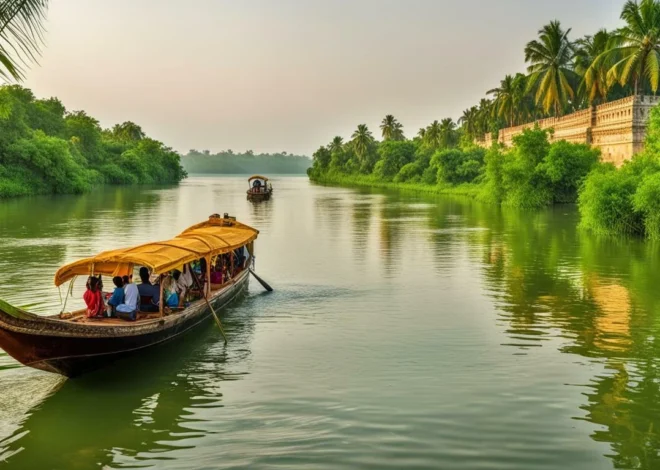
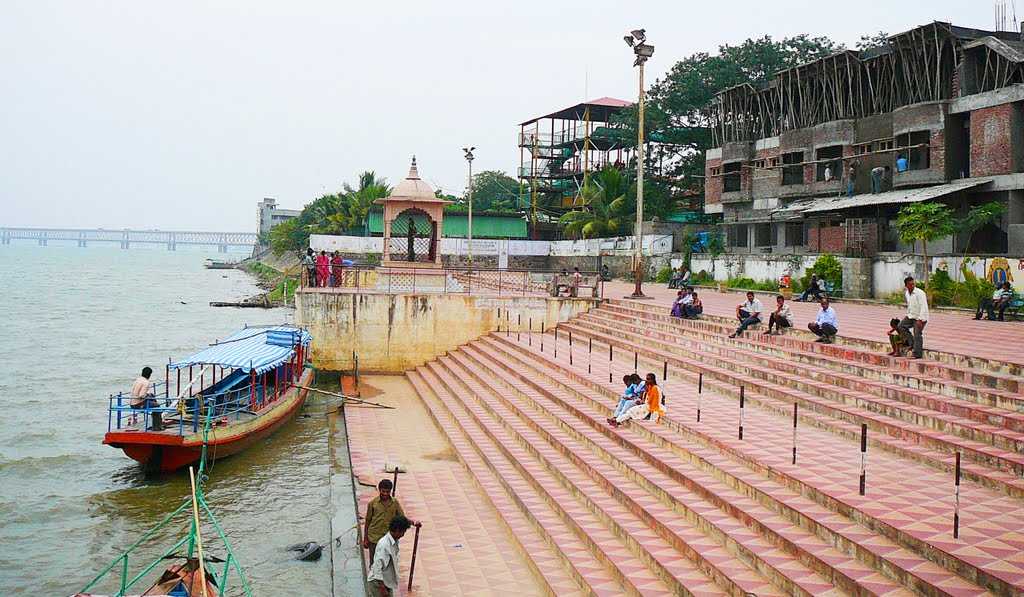
During October, temperatures typically hover between 25°C and 30°C, allowing travelers to comfortably explore the city’s cultural heritage sites, such as the Godavari Bund and the historic temples. The pleasant weather encourages visitors to engage in outdoor activities, including leisurely boat rides on the Godavari River, enhancing their overall experience.
As winter sets in from December to February, the temperature can drop to around 15°C at night, providing an ideal atmosphere for savoring local cuisine. Travelers can enjoy specialties like bamboo chicken and Pootharekulu sweets at food festivals, without the discomfort of high humidity or oppressive heat, enriching their culinary adventure.
In March, the weather remains favorable, with temperatures rising but still manageable. Travelers can participate in cultural festivals like Makar Sankranti, providing a unique opportunity to immerse themselves in local traditions and festivities. This month’s pleasant climate encourages exploration and active participation in community events, making it a memorable time to visit Rajahmundry.
Seasonal Weather Guide
Rajahmundry experiences three distinct seasons: summer, winter, and the rainy season, each presenting unique weather characteristics. Now, let’s explore what to expect during these times.
Summer
Travel during the summer months of May and June in Rajahmundry is not advisable due to extreme heat and humidity. Daily temperatures can soar between 30°C and 42°C, leading to potential discomfort and health risks for travelers. We recommend rescheduling plans to ensure a safer and more enjoyable experience.
The intense heat during this period can significantly hinder outdoor activities. Travelers often find themselves limited to early morning excursions or late afternoon visits to attractions, as midday temperatures pose risks of heat exhaustion. For instance, a guided tour of the Godavari River may be cut short as tourists seek shade and hydration, ultimately affecting their overall experience.
Humidity levels compound the heat, creating a sticky atmosphere that can lead to fatigue. Many travelers report feeling drained after only short walks around local markets, which limits their ability to fully engage with the vibrant culture. As a result, they may miss out on key experiences, such as enjoying local cuisine or participating in festivals.
Despite the potential for lively festivals like Peddagattu Jathara, the oppressive weather can deter participation. Travelers often opt to stay indoors or seek air-conditioned venues instead, thus losing the opportunity to immerse themselves in the local festivities that characterize this season. Overall, the extreme heat and humidity present significant challenges that may compromise travel plans in Rajahmundry during summer.
Winter
Winter in Rajahmundry, from November to February, presents a highly favorable climate for travel. This season ensures cooler temperatures, making outdoor activities enjoyable and safe. It is the optimal time for travelers seeking a comfortable and enriching experience.
During November, average temperatures range from 22°C to 28°C. Travelers can partake in Makar Sankranti, a vibrant festival showcasing local culture through traditional dances and fairs. The pleasant weather allows for extended outdoor exploration, enhancing the overall cultural experience.
In December, temperatures drop slightly to 20°C to 26°C. This cooler climate invites travelers to enjoy river boat rides on the Godavari River. The mild weather ensures a relaxing experience on the water, free from the oppressive heat typical of summer months.
January continues the trend with temperatures between 19°C and 25°C. This month is ideal for park visits, where travelers can engage with nature and local wildlife without the usual crowds. The comfortable climate allows for leisurely strolls and picnics, maximizing enjoyment of the serene environment.
Travelers are encouraged to utilize this winter window in Rajahmundry for safe and enriching experiences.
Rainy Season
Travel is strongly discouraged between June and September in Rajahmundry. This season presents consistent and severe weather hazards. We advise rescheduling plans to ensure traveler safety and itinerary integrity.
During the rainy season, humidity levels rise significantly, often exceeding 90%. Travelers frequently find outdoor sightseeing disrupted, as popular attractions along the Godavari River become inaccessible due to heavy rainfall. Many visitors report canceled boat rides, which are a staple activity, leading to disappointment and limited options for exploration.
Frequent showers create slippery road conditions, particularly during peak rain hours. Travelers have experienced delays and increased travel time due to traffic congestion caused by waterlogged streets. Many have opted for indoor activities, resulting in missed opportunities to engage with local cultural experiences.
Heavy downpours can occur suddenly, sometimes limiting visibility and making navigation challenging. Travelers have shared instances of getting caught in torrential rain while attempting to explore markets or festivals, forcing them to seek shelter. This unpredictability can significantly impact planned itineraries and overall travel enjoyment.
Best Time for Different Traveller
For family trips, cooler months are ideal. Adventure seekers may enjoy the rivers in September and October, while budget travelers can take advantage of the summer off-season. Honeymooners will appreciate the mild winters.
Best Time for Family Travelers
October through March offers the most stable and favorable climate for travel in Rajahmundry. This period guarantees minimal weather disruption. It is the recommended window for a secure and comfortable experience.
During these months, daytime temperatures range from 20°C to 30°C, creating ideal conditions for outdoor activities. Families can enjoy boat rides on the Godavari River, where calm waters and safe conditions allow for leisurely exploration. Travelers report a sense of peace while cruising, making it easy to engage with the natural beauty of the area.
Visiting local temples and museums is another popular activity during this time. The pleasant weather encourages families to immerse themselves in cultural experiences without the discomfort of heat or rain. Travelers frequently describe their visits as enriching and educational, enhancing their journey through Rajahmundry.
Parks and open spaces become vibrant gathering spots where children can play, and families can picnic. The comfortable climate allows for extended outdoor enjoyment, fostering family bonding and relaxation. Feedback from families highlights the joy of spending quality time together in nature, unhampered by adverse weather conditions.
Best Time for Adventure Travelers
October through February offers the most stable and favorable climate for travel in Rajahmundry. This period guarantees minimal weather disruption. It is the recommended window for a secure and comfortable experience.
During these months, temperatures range between 18°C and 28°C, allowing for optimal conditions for river rafting on the Godavari. Travelers report enjoying exhilarating rides on the river, free from the discomfort of excessive heat. The pleasant weather enhances their overall experience, encouraging longer excursions and more adventurous activities.
Trekking in the nearby hills becomes increasingly popular as the cooler temperatures provide relief from humidity. Hikers have shared that the dry season significantly reduces the risk of slippery trails. This safety factor allows for a more enjoyable trekking experience, focusing on the scenic views rather than navigating hazardous paths.
Cycling tours around Rajahmundry flourish during this period, with many travelers engaging in day-long rides. The favorable weather conditions enable cyclists to cover greater distances without fatigue. Participants often highlight the joy of exploring tribal villages and local culture, made accessible by the comfortable climate.
In contrast, planning a visit from March to June poses risks due to soaring temperatures above 35°C, which can deter outdoor activities and compromise safety.
Best Time for Budget Travelers
Late February to early March and late September to October present the optimal conditions for travel in Rajahmundry. This timeframe ensures a favorable climate, with temperatures ranging from 20°C to 30°C. Travelers can confidently plan their visits during these months for a secure and enjoyable experience.
During late February to early March, temperatures remain mild, encouraging outdoor activities like sightseeing along the Godavari River. Travelers can engage in river walks and explore local attractions without the discomfort of excessive heat or humidity. This comfortable weather significantly enhances the overall travel experience.
As the shoulder season extends into late September and October, the favorable weather persists, allowing for vibrant festival participation. Travelers can attend local cultural events and immerse themselves in the community. The pleasant evenings make it ideal for enjoying street food and exploring night markets without the worry of rain interruptions.
Additionally, the reduced tourist influx during these months results in lower accommodation rates. Budget travelers can secure guesthouses and small hotels at reasonable prices, making it easier to stretch their travel budget. This financial advantage, combined with favorable weather, creates an excellent opportunity for a fulfilling visit to Rajahmundry.
Best Time for Honeymoon Travelers
November through February offers the most stable and favorable climate for honeymoon travelers in Rajahmundry. This period guarantees minimal weather disruption, making it the recommended window for a secure and comfortable experience.
During November, temperatures range from 20°C to 30°C, creating an ideal environment for couples to take leisurely walks along the Godavari River. Travelers can comfortably visit the Godavari Bridge, enjoying the picturesque views without the discomfort of extreme heat.
In December and January, with temperatures dropping to 15°C, visitors can indulge in local cuisine without the sweltering heat. Couples often gather at local restaurants to savor fresh river fish and traditional Andhra dishes, enriching their culinary experience in a more intimate setting.
As February approaches, temperatures rise slightly to between 18°C and 30°C, still maintaining a pleasant climate. This moderate weather allows honeymooners to engage in outdoor activities like boating on the river or exploring nearby attractions, ensuring a memorable and enjoyable trip.
Travelers should avoid the hot summer months from March to June, when temperatures can exceed 40°C, leading to discomfort and reduced outdoor activity options.