Best Time to Visit Pune – Climate, Culture & Weekend Travel
Nestled in the heart of Maharashtra, Pune is a vibrant city located just 150 kilometers from Mumbai and approximately 230 kilometers from Nashik, making it an easily accessible weekend getaway for Indian travelers.
With a flight time of around 1 hour from major cities like Delhi or Bengaluru, Pune is a top choice for those seeking a blend of culture, cuisine, and adventure. Nearby attractions like the historic Sinhagad Fort, the serene Mulshi Lake, and the bustling Lonavala hill station offer a wealth of options for exploration.
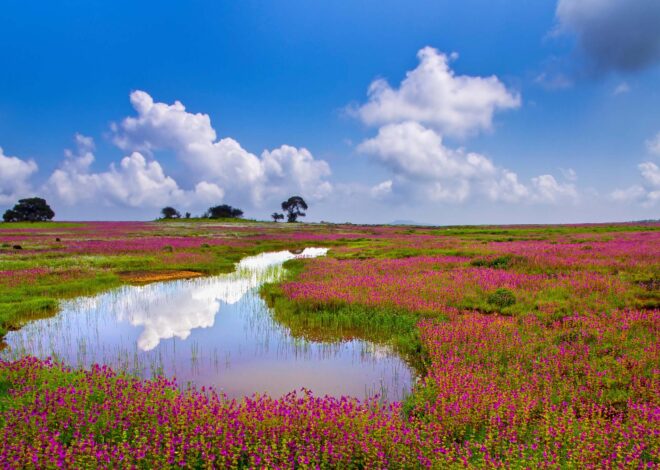
Pune boasts a diverse climate, with summer stretching from March to May, characterized by sweltering heat; monsoon arriving in June and lasting until September, with heavy rains that transform the landscape; and winter, from October to February, where temperatures drop to a refreshing 10°C, perfect for outdoor activities.
Choosing to visit during the scorching summer or the drenched monsoon could dampen your experience, making the winter months particularly enticing for Indian tourists looking to enjoy pleasant weather and vibrant festivals like Diwali.
In this post, you’ll discover the best times to visit Pune, how to navigate its seasonal changes, and tips to maximize your trip for an unforgettable experience.
Get ready to plan your perfect Pune adventure!
Best Months to Visit
October through February offers the most stable and favorable climate for travel in Pune. This period guarantees minimal weather disruption. It is the recommended window for a secure and comfortable experience.
During October, Pune experiences mild temperatures averaging 18°C to 28°C. Travelers can comfortably explore outdoor attractions like the Aga Khan Palace and Shaniwar Wada. Many report enjoying leisurely walks in the pleasant weather, which enhances their sightseeing experiences.
October in Pune offers mild temperatures perfect for exploring historic sites and enjoying peaceful walks outdoors.
In November, temperatures remain consistent, allowing visitors to participate in local festivals, such as the Pune Festival. The clear skies make it ideal for cultural exploration, with travelers attending events that provide deep insights into local traditions without the discomfort of extreme heat.
By January, the temperature drops further to around 15°C at night, creating a refreshing atmosphere. This is an excellent time for outdoor activities like trekking in the nearby Western Ghats. Travelers have noted that the cool evenings enhance their experience of local cuisine at outdoor eateries, making for memorable dining experiences.
February marks the end of this optimal season with temperatures gradually rising. However, visitors can still enjoy pleasant weather while exploring the city’s vibrant markets and parks, such as Saras Baug. The comfortable climate allows for extended outdoor activities before the heat of summer sets in.
Seasonal Weather Guide
Pune experiences three distinct seasons: summer, winter, and the rainy season. Each season brings its own unique weather patterns that may influence your plans.
Summer
Travel during the summer months in Pune, specifically from April to June, is generally feasible but requires careful planning due to the high temperatures. Expect thermometers to register between 25°C and 38°C, which can lead to discomfort during midday excursions. For safety-conscious travelers, the best approach is to schedule outdoor activities during cooler parts of the day and prioritize hydration.
During peak afternoon hours, temperatures can rise dramatically, making it challenging for tourists exploring outdoor attractions like the Pune Okayama Friendship Garden. Many visitors report feeling fatigued and overheated, which can diminish enjoyment and lead to early returns to accommodations. It is critical to stay vigilant about hydration levels to avoid heat-related issues.
The Sawai Gandharva Music Festival offers an excellent cultural experience, but attendees should be cautious about the heat. Evening performances provide a more comfortable atmosphere, as temperatures drop significantly. Many festival-goers appreciate the cooler evening air, which allows them to fully engage with the performances without the adverse effects of daytime heat.
Travelers planning to visit nearby hill stations, such as Lonavala and Khandala, often seek refuge from the summer heat. The cooler climate at higher altitudes provides a welcome escape, allowing for enjoyable hiking and sightseeing experiences. It is common for tourists to report a marked improvement in their comfort levels once they reach these elevated areas, making these destinations particularly appealing during the sweltering summer months.
Winter
Travel to Pune during winter, from November to February, is highly advisable for safety-conscious travelers. The cooler temperatures, ranging from 10°C to 25°C, create an ideal environment for outdoor exploration. This season guarantees pleasant weather, making it the optimal time for experiencing the city’s rich cultural offerings.
The dry conditions of winter allow for comfortable sightseeing. Travelers can easily visit popular attractions like Shaniwar Wada and Aga Khan Palace without the discomfort of extreme heat or humidity. The pleasant temperatures encourage longer outdoor excursions, enhancing the overall travel experience.
Mornings and evenings can become chilly, particularly in December and January. Travelers should plan for these cooler periods by dressing in layers, which allows for mobility and comfort. This adaptability ensures that visitors can enjoy evening cultural events or morning strolls without the risk of discomfort.
Winter festivals, such as the Pune International Film Festival, thrive in this favorable climate. These events provide travelers with opportunities to engage with local traditions in a relaxed setting. The moderate crowds during winter also mean that visitors can enjoy a more intimate experience at various cultural fairs and concerts.
Rainy Season
Travel is strongly discouraged between June and September in Pune. This season presents consistent and severe weather hazards, including heavy monsoon rains and increased humidity. We advise rescheduling plans to ensure traveler safety and itinerary integrity.
During this period, travelers encounter heavy rainfall that can lead to flash flooding in certain areas. For example, visitors exploring the popular Sinhagad Fort may face road closures and dangerous conditions, limiting access and forcing cancellations of planned hikes.
Additionally, the high humidity levels can create discomfort for those hoping to engage in outdoor activities. Travelers aiming to visit the vibrant Pune markets may find their experiences dampened by soggy conditions and reduced foot traffic, as many locals opt to stay indoors during heavy downpours.
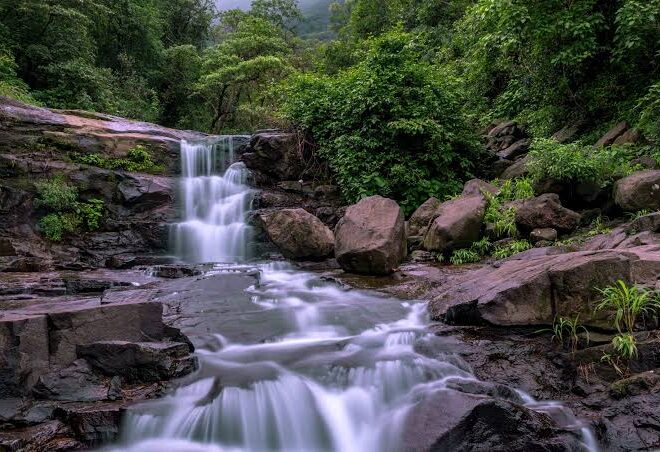
Finally, while the lush landscapes may be visually appealing for photography, the wet conditions can make nature walks treacherous. Slippery trails around the beautiful Panshet Dam pose safety risks, making it essential for travelers to prioritize safety over scenic views.
Best Time for Different Traveller
When planning your trip to Pune, the best time to visit varies with your travel style and preferences.
Best Time for Family Travelers
October through February offers the most stable and favorable climate for travel in Pune. This period guarantees minimal weather disruption. It is the recommended window for a secure and comfortable experience.
During these months, temperatures range between 10°C and 25°C, creating ideal conditions for outdoor activities. Families can enjoy visiting parks and gardens, such as Saras Baug and Bund Garden, without the discomfort of heat or heavy rains. Travelers engage in leisurely strolls and picnics, enhancing their experience with the pleasant climate.
Additionally, this timeframe coincides with vibrant cultural events, like Diwali and Pune’s Winter Festival. Families participate in local traditions and festivities, deepening their connection with the city. The favorable weather allows for extended outdoor celebrations, making experiences more enjoyable.
Moreover, the crowd levels are significantly lower compared to the peak summer months. Families can visit popular attractions like the Aga Khan Palace and Shaniwar Wada without long wait times. This accessibility ensures a more relaxed and fulfilling exploration of Pune’s rich history and culture.
Best Time for Adventure Travelers
The ideal time for adventure travel in Pune is from November to February. This period ensures comfortable weather conditions for outdoor activities. It is the recommended window for engaging in trekking and other adventure pursuits.
During November, temperatures range between 12°C and 25°C, providing optimal conditions for long hikes in the Western Ghats. Travelers report that the clear skies and mild climate enhance their trekking experience, allowing for exploration of trails without the discomfort of heat.
In December, the weather remains stable, with pleasant temperatures encouraging outdoor sports such as rock climbing and mountain biking. Visitors have noted that the cool air and visibility create a safe environment for these activities, leading to enjoyable and memorable experiences.
As January arrives, the cooler temperatures continue to benefit adventure seekers. Many travelers engage in camping trips, taking advantage of the dry conditions and starry nights. The favorable climate fosters a sense of safety and comfort, allowing for immersive experiences in nature.
Best Time for Budget Travelers
Travel is strongly discouraged between June and September in Pune. This season presents consistent and severe weather hazards due to heavy monsoon rains. We advise rescheduling plans to ensure traveler safety and itinerary integrity.
During the monsoon months, frequent downpours create slippery roads and localized flooding. Travelers attempting to explore popular attractions like Shaniwar Wada and Sinhagad Fort often face accessibility issues, limiting their ability to engage in sightseeing. Many travelers report canceled outdoor activities, leading to a less fulfilling experience.
The summer months of March to May bring extreme heat, with temperatures soaring up to 40°C. This intense climate makes outdoor excursions, such as visiting the Pataleshwar Cave Temple or the Pune-Okayama Friendship Garden, uncomfortable and exhausting. Travelers frequently seek indoor alternatives, which can limit their exploration of the city’s rich culture and heritage.
Conversely, the shoulder seasons of late September and early March offer favorable conditions. Travelers experience milder temperatures and reduced humidity, making it ideal for outdoor activities. Many report enjoying vibrant festivals and local events during this period, enhancing their cultural immersion while accessing budget-friendly accommodations.
Best Time for Honeymoon Travelers
October through February offers the most stable and favorable climate for travel in Pune. This period guarantees minimal weather disruption. It is the recommended window for a secure and comfortable experience.
During these months, temperatures range from 12°C to 28°C, creating ideal conditions for outdoor excursions. Travelers can explore Pune’s romantic spots like Osho Garden without discomfort, engaging in leisurely walks amidst lush greenery. The mild climate enhances the experience, allowing couples to immerse themselves in the tranquil surroundings.
The pleasant weather also supports activities such as boat rides at Pashan Lake. With clear skies and calm waters, travelers can enjoy peaceful moments together while taking in the scenic beauty. This setting fosters intimate interactions, free from the interruptions of harsh weather.
In contrast, avoiding the monsoon season is crucial, as heavy rains disrupt outdoor plans. Similarly, the summer months present heat challenges, with temperatures soaring up to 38°C, limiting daytime activities. Choosing to travel between October and February ensures that honeymooners can fully experience Pune’s charm without compromising on comfort or safety.