Best Time to Visit Gandhinagar – Climate & Cultural Tourism
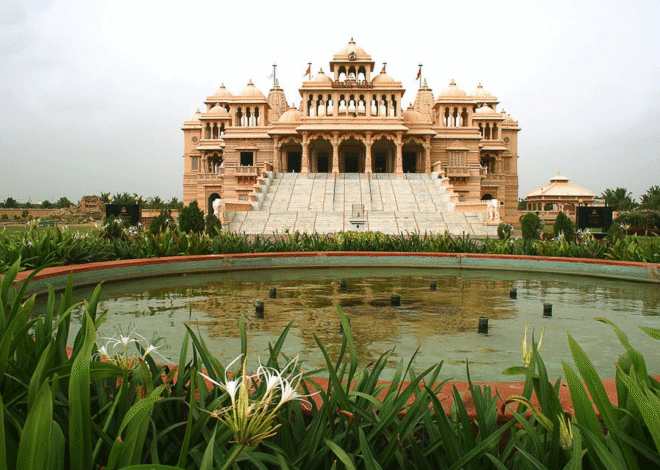
Nestled in the heart of Gujarat, Gandhinagar is just a short drive away from major cities like Ahmedabad (approximately 30 km) and Vadodara (around 110 km). This emerging tourist hotspot is not only known for its stunning architecture and cultural significance but also serves as a gateway to nearby attractions, including the iconic Akshardham Temple and the serene Sabarmati Riverfront.
For Indian travelers, timing your visit to Gandhinagar is crucial due to its diverse climate. The winter months from November to February offer delightful temperatures ranging from 15°C to 28°C, perfect for exploring the city’s rich heritage without breaking a sweat.
On the flip side, the scorching summer months from March to June can see temperatures soar above 40°C, while the monsoon season from July to September brings heavy rains that could dampen your outdoor adventures.
Choosing the wrong time to visit could mean missing out on Gandhinagar’s vibrant festivals or enduring uncomfortable weather. In this post, we’ll guide you through the best times to plan your trip, ensuring you enjoy every moment of your journey.
Get ready for an unforgettable experience in Gandhinagar!
Best Months to Visit
November through February offers the most stable and favorable climate for travel in Gandhinagar. This period guarantees minimal weather disruption. It is the recommended window for a secure and comfortable experience.
During November, temperatures range from 15°C to 28°C, allowing travelers to explore Gandhi Nagar’s parks and gardens without discomfort. Visitors reported enjoying serene walks at the Sarita Udyan, where cooler air enhances the experience of nature.
November’s mild temperatures make serene walks in Sarita Udyan a refreshing nature experience.
In December, cultural festivals take center stage, with events showcasing local traditions. Travelers attending these festivals can fully engage with music, dance, and artistry in pleasant weather, making outdoor cultural experiences enjoyable and immersive.
February’s consistent mild temperatures enable comfortable street food sampling and market exploration. Tourists have highlighted their positive experiences while visiting local food stalls and markets, where mild conditions eliminate the discomfort often associated with extreme heat.
Outside of these months, higher temperatures and humidity can disrupt travel plans, making activities less enjoyable and potentially unsafe. Therefore, for a well-rounded visit filled with cultural experiences and tasty food, November to February is the most practical choice.
Seasonal Weather Guide
Gandhinagar experiences hot summers with temperatures exceeding 40°C from March to June. Winters offer mild comfort between 10°C and 25°C from November to February, perfect for visitors.
Summer
Travel is strongly discouraged during the summer months in Gandhinagar, typically from April to June. This period presents extreme heat conditions, with temperatures soaring between 30°C and 45°C. Travelers should consider alternative plans to ensure safety and comfort.
The peak afternoon heat in Gandhinagar can be oppressive, often leading to heat exhaustion. Travelers venturing out during this time frequently report fatigue and discomfort, limiting their ability to engage in outdoor activities. Many have opted to remain indoors, missing out on local cultural experiences that require outdoor participation.
Early mornings provide a brief respite from the heat, allowing for enjoyable exploration of local attractions. However, travelers must be vigilant about timing, as temperatures rise quickly. Those who have ventured out during this window often describe a refreshing experience, with opportunities to enjoy the region’s culture before the heat sets in.
Evenings offer another chance to engage with local festivals and events, though temperatures can still be warm. Travelers attending these events report a vibrant atmosphere but also note the need for hydration and light clothing to remain comfortable. Planning activities around these cooler times is essential for a safe and enjoyable experience in Gandhinagar during summer.
Winter
Winter in Gandhinagar, from November to February, provides a secure and comfortable travel environment. This period features stable temperatures between 12°C and 25°C, ensuring minimal weather-related disruptions. Travelers can confidently engage in various outdoor activities during this time.
During December, the cooler temperatures encourage visitors to explore the city’s parks, such as Indroda Nature Park. Travelers often report enjoying leisurely strolls and picnics without the distress of summer heat, making it an excellent time for family outings.
In January, the city hosts the International Kite Festival, attracting many visitors eager to participate. The pleasant weather allows attendees to comfortably enjoy kite flying and witness cultural performances, enhancing their overall experience without the discomfort caused by extreme temperatures.
February’s mild climate supports visits to local markets and cultural sites. Travelers frequently express satisfaction in exploring these areas, as the favorable conditions promote longer durations of exploration and interaction with local artisans, enriching their travel experience.
Rainy Season
Travel is strongly discouraged between June and September in Gandhinagar. This season presents consistent and severe weather hazards, including heavy rainfall and high humidity. We advise rescheduling plans to ensure traveler safety and itinerary integrity.
During June, travelers often encounter heavy showers, leading to flooded streets and disrupted transportation. Many tourists report delays in reaching attractions like the Akshardham Temple, as roads become impassable. Consequently, planned sightseeing becomes challenging, forcing travelers to cancel or modify their itineraries.
In July, the persistent rain can cause power outages and increased humidity levels. Visitors attempting to enjoy outdoor markets or parks, such as the Indroda Nature Park, find the experience less enjoyable due to muddy paths and risk of slipping. This weather often leads to limited access to certain areas, urging travelers to seek indoor alternatives.
Best Time for Different Traveller
The best time to visit Gandhinagar depends on your travel preferences. Let’s explore the ideal seasons for adventure seekers, budget travelers, and honeymooners.
Best Time for Family Travelers
October through March offers the most stable and favorable climate for travel in Gandhinagar. This period guarantees minimal weather disruption. It is the recommended window for a secure and comfortable experience.
During October, travelers enjoy temperatures averaging 25°C, ideal for exploring the Akshardham Temple and surrounding gardens. Families report engaging experiences, including leisurely walks and picnics, unimpeded by heat. The pleasant weather enhances enjoyment of cultural sights without the fatigue caused by high temperatures.
In December, temperatures can drop to around 15°C. Families appreciate the cooler evenings, perfect for visiting outdoor markets and dining al fresco. This climate fosters a vibrant atmosphere, allowing travelers to participate in local festivals and cultural events without the discomfort of sweltering heat.
March sees a gradual rise in temperature, averaging 30°C, yet remains manageable for outdoor activities. Families find it suitable for visiting parks, such as Indroda Nature Park, where children can learn about wildlife in a comfortable environment. This month allows for both sightseeing and relaxation before the intense heat of summer sets in.
Best Time for Adventure Travelers
Travel is strongly discouraged between April and September in Gandhinagar. This period presents varying and challenging weather conditions that can significantly affect outdoor activities. Adventure travelers should consider rescheduling plans to ensure safety and enjoyment.
During summer months from April to June, temperatures can soar to 40°C, making outdoor excursions like hiking nearly unbearable. Travelers engaged in land-based activities often experience heat exhaustion, which can lead to missed opportunities for exploration and adventure. Water sports may remain feasible, but limited options leave many seeking alternative activities.
The monsoon season from July to September brings moderate rains, cooling temperatures to around 30°C. While this may create favorable conditions for trekking and river rafting, the unpredictability of downpours can lead to hazardous trails and swollen rivers. Travelers may find themselves delayed or forced to cancel plans due to sudden weather changes, compromising their overall itinerary.
From October to March, while the cooler temperatures (15°C-25°C) may suit activities such as cycling and rock climbing, they can restrict water-based sports. Travelers might find that certain lakes and rivers are less accessible or too cold for enjoyable activities. Thus, while this season is generally pleasant, it may not meet the needs of all adventure seekers.
For optimal experiences, adventure travelers should plan their trips around these specific climate conditions to ensure safety and maximize enjoyment in Gandhinagar.
Best Time for Budget Travelers
October through March offers the most stable and favorable climate for travel in Gandhinagar. This period guarantees minimal weather disruption. It is the recommended window for a secure and comfortable experience.
During October, travelers enjoy pleasant temperatures averaging around 30°C, making it ideal for exploring local temples such as the Akshardham Temple. The comfortable weather encourages extended visits without the discomfort of heat fatigue, allowing for deeper engagement with the site’s intricate architecture and cultural significance.
In December, the temperatures drop to a cooler 15°C in the evenings, perfect for leisurely strolls through the city’s parks, like the Indroda Nature Park. These cooler conditions enable families and groups to enjoy picnics and nature walks without the worry of oppressive heat, enhancing the overall experience of the area’s natural beauty.
By February, the moderate climate further supports outdoor activities, such as visiting the Sarita Udyan. Travelers can comfortably participate in local cultural events and festivals without the risk of heavy rainfall or extreme temperatures, allowing an immersive experience of local traditions and community interactions.
Best Time for Honeymoon Travelers
October through March offers the most stable and favorable climate for travel in Gandhinagar. This period guarantees minimal weather disruption. It is the recommended window for a secure and comfortable experience.
During these months, temperatures range from 15°C to 28°C, allowing travelers to visit the serene Akshardham Temple at sunset. The pleasant evening weather enhances the tranquil atmosphere, providing couples with an ideal setting for reflection and connection.
The cool climate also encourages exploration of the lush Indroda Nature Park. Travelers can comfortably stroll through the park’s trails, immersing themselves in nature and enjoying the vibrant flora without the discomfort of heat or humidity.
Additionally, the calm Sabarmati Riverfront becomes a perfect spot for quiet moments together. The mild temperatures make it feasible to partake in leisurely walks along the river, fostering intimate conversations and cherished memories.
Travel is strongly discouraged between April and September in Gandhinagar. This season presents consistent and severe weather hazards. We advise rescheduling plans to ensure traveler safety and itinerary integrity.