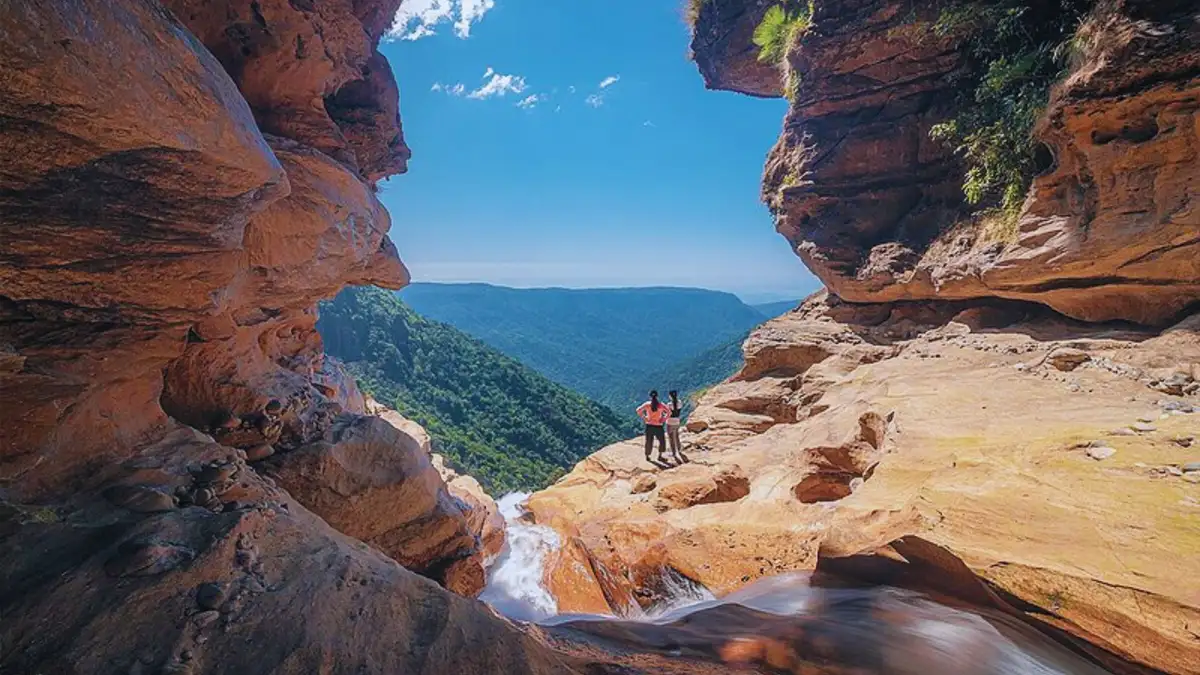
Best Time to Visit Meghalaya – Month by Month Climate Guide
Nestled in the northeastern corner of India, Meghalaya is a breathtaking destination that promises stunning landscapes, vibrant culture, and unforgettable experiences. Just a short flight from major Indian cities like Kolkata (approximately 1.5 hours) and Guwahati (about 1 hour), Meghalaya serves as a perfect getaway for those seeking a refreshing escape.
Nearby attractions like the picturesque Cherrapunji and the serene living root bridges add to its allure, making it a must-visit for Indian travelers.
Meghalaya boasts a diverse climate, with summer stretching from March to June, where temperatures can soar up to 30°C, making it ideal for outdoor adventures.
The monsoon season, from June to September, transforms the region into a lush paradise, but the heavy rainfall can disrupt travel plans.
Winter, from October to February, brings cool temperatures ranging from 15°C to 25°C, offering a stable climate for exploration.
Timing your visit is crucial; choosing the wrong month could lead to missed opportunities and uncomfortable conditions.
Indian travelers should plan around holiday periods and unique local festivals to make the most of their trip.
Ready to discover the best time to visit Meghalaya? Dive into this guide to learn how to experience this enchanting state at its finest!
Best Months to Visit
October to May offers the most stable and favourable climate for travel in Meghalaya. This period guarantees minimal weather disruption. It is the recommended window for a secure and comfortable experience.
During the October to May window, visitors often enjoy pleasant temperatures between 15°C to 25°C, allowing for comfortable exploration of popular attractions like Cherrapunji and Shillong. This climate enables tourists to engage in outdoor activities, such as trekking and sightseeing, without the concern of extreme heat or cold affecting their plans.
In this timeframe, the chances of encountering heavy rains are significantly reduced, enabling smoother travel across the region. For instance, many travellers have reported successfully visiting waterfalls and natural parks without the risk of road closures or dangerous conditions, which are common in the monsoon months.
Additionally, local festivals throughout these months enhance the travel experience. Events like the Wangala Festival, celebrated between November and December, provide unique cultural insights and opportunities for interaction with the diverse tribes of Meghalaya, ensuring that visitors can participate in vibrant traditions without weather-related interruptions.
Seasonal Guide
Meghalaya experiences three distinct seasons: summer, winter, and the rainy season. Each season offers unique weather conditions that can influence your travel experience.
Summer Season
Travel is advisable during the summer months of March to June in Meghalaya. This season presents a warm but pleasant climate that supports a range of outdoor activities. Visitors can expect comfortable temperatures, making it an excellent period for exploring the region’s natural beauty.
Hiking trails in Meghalaya, particularly those leading to waterfalls, thrive during summer. The moderate temperatures of around 15°C to 30°C facilitate enjoyable treks for families and adventure seekers alike. However, travelers should prepare for occasional showers, particularly in late June, which may temporarily hinder plans but generally do not disrupt travel extensively.
Sightseeing opportunities abound in Meghalaya during summer. With the lush greenery from the pre-monsoon rains, attractions like the Living Root Bridges and Nohkalikai Falls become even more stunning. However, it is advisable to avoid peak heat in May and early June when temperatures approach the upper limit, potentially leading to discomfort during midday excursions.
Summer festivals in Meghalaya also provide a chance to experience local culture, music, and dance. Events held during this period often attract fewer crowds compared to the monsoon season, allowing travelers to engage more deeply with local traditions and activities. This cultural immersion, combined with the pleasant climate, creates a fulfilling travel experience.
Winter Season
Winter in Meghalaya, spanning from November to February, presents a highly feasible travel window. This season ensures stable weather conditions, making it ideal for outdoor activities. The clear skies and crisp air create a comfortable environment for exploration.
Travelers visiting Meghalaya during this period often experience stunning winter landscapes. The mist-covered hills and serene vistas not only enhance sightseeing but also provide excellent photography opportunities. The absence of heavy rains typical of other seasons allows for uninterrupted exploration of attractions such as the Living Root Bridges and Nohkalikai Falls.
However, as temperatures can drop to 4°C at night, travelers need to prepare adequately. Many have found that packing layered clothing is essential to remain warm during evening excursions or while camping in the hills. This preparation directly impacts comfort levels, ensuring that visitors can fully enjoy the natural beauty without being hindered by the cold.
Cultural engagement is another significant aspect of visiting during winter. Winter festivals showcase local traditions and foster community interaction. These events provide unique opportunities to experience Meghalaya’s rich heritage, significantly enhancing the travel experience and allowing for deeper connections with the local community.
Rainy Season
Travel is strongly discouraged between June and September in Meghalaya. This season presents consistent and severe weather hazards due to the heavy monsoon. We advise rescheduling plans to ensure traveler safety and itinerary integrity.
The intense rainfall, often exceeding 2000 mm per month, leads to frequent road closures. Travelers have reported significant delays or cancellations when attempting to reach popular attractions like Shillong and Cherrapunji, as the slippery conditions increase the risk of accidents. This persistent precipitation can make navigation hazardous, leaving many visitors stranded or unable to explore key sites.
Additionally, the threat of landslides becomes a critical concern during these months. Numerous accounts detail incidents where landslides blocked access to vital routes, forcing tourists to alter their itineraries abruptly. The risk of being caught in such events heightens anxiety and may lead to unsafe circumstances for those venturing into the region’s picturesque landscapes.
Outdoor activities are heavily impacted by the weather. Hiking trails in places like the Living Root Bridges become treacherous, and many operators suspend tours during peak rainfall. Visitors who ignore weather advisories often find themselves unable to engage in planned excursions, diminishing the overall travel experience.
Best Time to Visit (Baed on Travel Type)
When planning your trip to Meghalaya, consider your travel preferences to choose the ideal time. Each season offers unique experiences tailored to different types of travelers.
Best Time for Family Travelers
October through April offers the most stable and favourable climate for travel in Meghalaya. This period guarantees minimal weather disruption. It is the recommended window for a secure and comfortable experience.
During these months, families can engage in outdoor activities without the concern of heavy rain. For example, in November, a family visiting the living root bridges reported enjoying the scenic beauty and unique structure without encountering slippery paths. This accessibility allowed children to explore safely while parents relaxed.
In December, families often visit clean waterfalls, benefiting from the cooler temperatures that range from 10°C to 25°C. One family noted that the pleasant weather made hiking to the falls enjoyable and manageable for all ages. The dry conditions significantly enhanced their overall experience, allowing for uninterrupted play and exploration.
Conversely, travel during the monsoon season, from June to September, poses significant risks. Families reported cancelled plans and unsafe conditions due to frequent downpours. This weather rendered certain attractions inaccessible, demonstrating the importance of timing when planning a family trip to Meghalaya.
Best Time for Adventure Travelers
Travel is not advisable from June to September in Meghalaya. This period is marked by intense monsoon rains, leading to dangerously slippery trails and potential travel disruptions. For the safety of adventurers, it is best to plan visits outside these months.
During the peak monsoon, strong rainfall transforms the landscape, making river rafting exhilarating yet perilous. While some thrill-seekers may be drawn to swollen rivers and stronger currents, the risk of flash floods and trail washouts poses significant dangers to unprepared travelers.
In contrast, the post-monsoon months of October and November offer optimal conditions for rock climbing. The drying climate results in stable rock surfaces and comfortable temperatures around 15-20°C. Many climbers report improved grip and safety, enabling more enjoyable ascents on popular cliffs.
Winter months, from December to February, subject travelers to cooler temperatures between 5-10°C. While this season brings invigorating weather, it can restrict water-based activities such as kayaking and swimming. Travelers seeking these experiences may find options limited, necessitating careful planning to ensure enjoyable and secure adventures.
Best Time for Budget Travelers
November through February offers the most advantageous climate for travel in Meghalaya. This period ensures minimal weather disruptions and is the ideal time for a secure and comfortable experience. Budget travelers should consider this window for an optimal visit.
During these months, travelers can fully enjoy Meghalaya’s rich landscape without the interference of heavy rains. Many visitors have reported unhindered access to attractions such as the living root bridges and the stunning Nohkalikai Falls, as the dry conditions promote safe and enjoyable exploration. The cooler temperatures encourage outdoor activities like trekking and sightseeing, enhancing the overall travel experience.
Travelers who visited during this season have found significant savings on accommodation, with guesthouses and small hotels offering competitive rates. Reports indicate that many budget-friendly options become available, allowing visitors to allocate resources towards experiences rather than lodging. The travel community frequently shares stories of dining in local eateries, where traditional Khasi and Garo dishes are served at reasonable prices, further emphasising the financial benefits of visiting during this period.
In contrast, avoiding the peak monsoon season from June to September is crucial for safety and itinerary integrity. Many travelers have encountered severe weather hazards during these months, resulting in cancelled plans and limited access to key attractions. The heavy rainfall can lead to landslides and road blockages, creating unsafe travel conditions and hindering overall enjoyment.
Best Time for Honeymoon Travelers
March through May and September to October present the most favourable conditions for honeymoon travelers in Meghalaya. This timeframe ensures pleasant weather, ideal for romantic explorations. It is the recommended period for couples seeking a secure and intimate experience.
In March, temperatures range from 15°C to 25°C, allowing couples to comfortably explore popular attractions like the living root bridges and the serene Umiam Lake. The moderate crowd levels facilitate a more personal experience, enhancing intimacy during outdoor activities.
April offers even lower crowd levels, with temperatures rising between 17°C and 27°C. Couples can relish the blooming rhododendrons in the hills, making it an excellent time for scenic hikes. The weather remains dry, ensuring that outdoor excursions are uninterrupted and enjoyable.
September marks the onset of the post-monsoon season, with temperatures ranging from 16°C to 26°C. The lush greenery revitalises the landscape, creating a picturesque backdrop for romantic outings. The moderate crowds further allow for private moments in nature, making it an ideal time for couples to connect with each other.
October, with temperatures between 14°C and 24°C, continues the trend of pleasant weather. The clear skies enhance visibility for sightseeing and photography, allowing couples to capture memories at iconic locations such as Cherrapunji. The moderate crowd levels ensure that couples can fully immerse themselves in the experience without the distraction of large groups.
Must Do Activities & Ideal Time
October through May offers the most stable and favourable climate for travel in Meghalaya. This period guarantees minimal weather disruption, making it the recommended window for a secure and comfortable experience. Visitors can fully engage in the region’s rich offerings without concern for adverse weather conditions.
During the dry months from October to April, travellers can safely trek through forests to explore the Living Root Bridges. These extraordinary natural structures require accessible trails, which are best navigated in drier conditions. Rainfall during this period is minimal, enhancing the overall trekking experience and safety.
The vibrant cultural festival of Wangala occurs in November, providing an authentic glimpse into local traditions. During this time, the weather is mild, allowing for comfortable participation in festivities and the opportunity to sample local cuisine. The pleasant climate encourages visitors to immerse themselves in the cultural richness without the distraction of heat or rain.
Meghalaya’s caves are best explored from November to February, when conditions are drier and safer. The absence of heavy rains during this period reduces the risk of slippery paths, enabling adventurers to delve into the caves without concern. This timeframe maximises safety and enjoyment for those wishing to discover the region’s subterranean wonders.