
Best Time to Visit Manali – Month by Month Climate Guide
Nestled in the majestic Himalayas, Manali is a paradise for Indian travelers, located approximately 540 kilometers from Delhi and just 300 kilometers from Chandigarh. This scenic hill station serves as a gateway to other stunning destinations like Rohtang Pass and Solang Valley, making it a prime spot for adventure seekers and nature lovers alike.
With flights from major cities to Bhuntar Airport taking about an hour, or a scenic drive from Delhi that can take around 12 hours, getting to Manali is an adventure in itself.
Manali boasts a diverse climate that transforms with the seasons. Summers (March to June) offer pleasant temperatures perfect for trekking, while winters (November to February) blanket the region in snow, attracting snow enthusiasts and families alike.
The monsoon season (July to September) brings heavy rainfall, which can lead to landslides, making travel risky. Choosing the wrong time to visit could mean dealing with extreme weather or disappointing crowds during peak holiday periods.
In this post, we’ll guide you through the best times to experience Manali, helping you plan your perfect getaway.
Get ready to discover how to align your travel plans with the enchanting seasons of this mountain gem!
Manali Climate & Travel Season Overview
| Season | Months | Avg. Temperature (°C) | Key Weather Characteristics | Travel Recommendation |
|---|---|---|---|---|
| Summer (Peak Season) | Mar – Jun | 10°C – 25°C | Pleasant and mild weather; clear skies; ideal for outdoor activities. Snowmelt makes rivers suitable for rafting. | Highly Recommended for all travelers. Best for sightseeing, trekking, and cultural festivals. |
| Monsoon (Off-Season) | Jul – Sep | Varies | Heavy rainfall; high risk of landslides and road closures; poor visibility; travel disruptions. | Strongly Discouraged due to significant hazards and itinerary disruptions. |
| Winter (Off-Season) | Nov – Feb | 0°C to -5°C (can drop lower) | Severe cold; heavy snowfall; sub-zero temperatures; potential for road closures. | Not Advisable for most. Only for snow sports enthusiasts prepared for extreme conditions. |
Best Months to Visit
March to June provides the most favourable conditions for travel to Manali. This period ensures mild weather, allowing for a comfortable experience while exploring the region. It is the prime time for visitors seeking cultural engagement and outdoor activities.
During this window, many travellers report enjoying the Dussehra festival in October, where traditional dances and rituals come alive. The pleasant temperatures, ranging from 10°C to 25°C, facilitate participation in local events without the discomfort of extreme weather. Visitors appreciate the opportunity to immerse themselves in the culture while comfortably navigating the town’s attractions.
In contrast, the months of July and August are marked by heavy monsoon rains, leading to travel disruptions. Many tourists experience cancelled plans due to landslides and poor visibility, which can severely impact itineraries. The risk of flooding in certain areas limits access to popular scenic spots, making this period a challenging time for travel.
Additionally, October to November presents another viable option for those seeking pleasant weather and local celebrations. Travellers often highlight the clear skies and moderate temperatures as ideal for sightseeing. This time allows for a relaxed exploration of cultural sites before the onset of winter, ensuring an enjoyable experience without the crowds typical of peak tourist seasons.
Seasonal Guide
Manali experiences distinct seasonal changes, with each season offering unique weather and activities. Next, we’ll explore these seasonal characteristics in detail.
Summer Season
Travel is advisable in Manali from April to June. This period provides mild temperatures and clear weather conditions, ensuring a comfortable travel experience. Visitors can engage in various outdoor activities without the hindrance of extreme cold.
During this time, many travellers have successfully undertaken trekking expeditions in the lush green landscapes of Manali. The daytime temperatures, ranging from 15°C to 25°C, allow for extended hikes without the discomfort of heat or cold, making trails accessible and enjoyable.
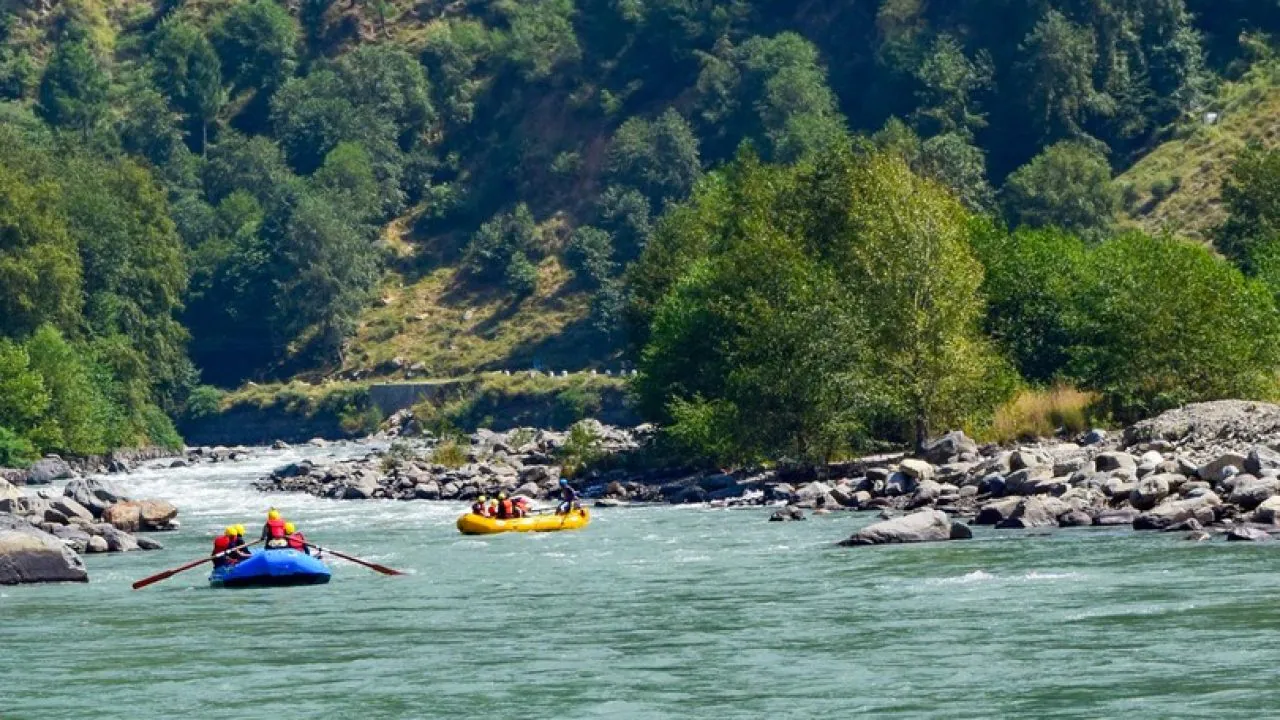
Additionally, river rafting has become increasingly popular among summer visitors. The snowmelt creates optimal conditions for rafting, with the Beas River offering thrilling yet safe experiences. Travellers report exhilarating adventures while staying safe due to the manageable water levels and pleasant weather.
Summer festivals, particularly the Manali Summer Festival, attract tourists eager to immerse themselves in local culture. Clear skies and mild weather enhance the experience, allowing visitors to comfortably enjoy performances of traditional dance and music. This vibrant atmosphere is supported by the region’s refreshing climate, contributing to a memorable visit.
Winter Season
Travel is not advisable in Manali from December to February due to severe winter weather conditions. This period is marked by heavy snowfall, which can significantly disrupt travel plans. It is crucial to reconsider your itinerary during these months to ensure safety and accessibility.
The heavy snowfall in January often leads to road closures, which directly impacts travelers’ ability to reach popular attractions. For instance, many visitors reported being stranded when attempting to travel to the Solang Valley for skiing, as the roads became impassable. Those who planned day trips to nearby areas found their plans thwarted by sudden snow accumulation, necessitating rescheduling.
During February, while some tourists enjoy winter activities like snowboarding, others face challenges due to sub-zero temperatures. A family visiting Manali experienced discomfort as the frigid conditions compelled them to remain indoors rather than engage in planned outdoor excursions. The cold dampened their enthusiasm for exploring local markets and cultural festivals, which are typically vibrant during this season.
Moreover, the Winter Carnival, while culturally enriching, often sees unpredictable weather. Many visitors were unable to attend events as heavy snowfalls resulted in cancellations. Those who managed to participate found themselves navigating slippery paths and icy conditions, which posed safety risks. This unpredictability highlights the need for careful planning during the winter months in Manali.
Rainy Season
Travel is strongly discouraged between July and September in Manali. This season presents consistent and severe weather hazards due to the monsoon rains. We advise rescheduling plans to ensure traveler safety and itinerary integrity.
The heavy monsoon rains in July can lead to significant travel disruptions. Many tourists reported delays in transport services as buses and taxis struggled to navigate waterlogged roads. Landslides became frequent, causing major routes to close unexpectedly, leaving travelers stranded and requiring urgent re-routing of plans.
In August, the increased rainfall resulted in hazardous conditions for outdoor activities. Adventure seekers attempting to trek in the surrounding hills faced slippery trails, leading to accidents and injuries. Local operators cancelled many trekking tours, citing safety concerns, which disappointed numerous tourists who had planned these experiences.
Best Time to Visit (Baed on Travel Type)
Choosing the right time to visit Manali depends on your travel preferences. Families, adventure seekers, budget travelers, and honeymooners each have their ideal seasons.
Best Time for Family Travelers
March to June and September to November present the most suitable climate for family travel in Manali. These periods assure comfortable weather conditions with temperatures ranging from 10°C to 25°C. Families can enjoy a secure and pleasant travel experience during these months.
In March, families often explore the Hidimba Devi Temple, where clear skies and mild temperatures enhance the experience. Visitors report that the pleasant weather allows for uninterrupted sightseeing, making it an ideal time for cultural immersion.
During April and May, outdoor activities like walking along the Mall Road attract families. The moderate climate encourages leisurely strolls, and families appreciate the opportunity to engage in shopping and local cuisine without the discomfort of extreme temperatures.
In September, the weather remains favourable, allowing families to visit nearby apple orchards. The clear skies and refreshing air create an appealing environment for fruit picking, fostering memorable family interactions amidst nature.
Travelers should avoid the heavy rains of July and August, as these months can disrupt plans and lead to safety concerns. Rescheduling to the recommended windows ensures a smooth and enjoyable family trip to Manali.
Best Time for Adventure Travelers
May to June and September to October provide the most favourable conditions for adventure travel in Manali. This timeframe ensures mild weather and accessible trekking routes. It is the recommended period for a safe and enjoyable outdoor experience.
During May, temperatures typically range from 15°C to 25°C, and adventure seekers can fully engage in activities like paragliding and river rafting. Clear skies and stable weather allow for uninterrupted enjoyment, with participants reporting high satisfaction levels from their experiences in the pristine landscapes.
In September, post-monsoon conditions offer revitalised trekking trails that are less crowded. Travellers have noted the visibility and accessibility of these routes, enabling them to explore the region’s beauty without the risks associated with slippery trails common during the rainy season. This time allows for a more immersive experience in nature without the discomfort of large crowds.
Conversely, July and August are marked by heavy rainfall, creating hazardous conditions for outdoor activities. Many travellers have reported cancellations or limited experiences due to muddy trails and potential landslides. Therefore, planning trips outside of these months is essential to avoid adverse weather impacts and ensure a secure adventure.
Best Time for Budget Travelers
November through February is the most viable period for budget travelers in Manali. This timeframe ensures minimal crowding and significant cost savings. It is the recommended season for an economical and enjoyable visit.
During these months, accommodations in Manali become more affordable as hotels lower their rates to attract visitors. For instance, many budget hotels offer discounts of up to 30%, enabling travellers to secure comfortable lodging without exceeding their budgets. This financial relief allows for better allocation of funds towards local experiences and attractions.
The winter months also result in fewer tourists at popular sites such as Solang Valley and Hadimba Temple. Visitors can explore these attractions without the long queues typically experienced during peak seasons. This freedom enhances the travel experience, allowing for a more relaxed and personal exploration of Manali’s rich culture and natural beauty.
However, the cold temperatures, ranging from 0°C to 10°C, require travellers to pack appropriate winter clothing. The chilly weather may limit certain adventure activities like paragliding or trekking due to snow cover. Nonetheless, the serene winter landscape offers a unique charm, allowing visitors to appreciate Manali’s scenic beauty in a quieter, more intimate setting.
Best Time for Honeymoon Travelers
April to June presents the most favourable climate for honeymoon travel in Manali. This period ensures comfortable weather with minimal disruptions. Couples seeking a serene and pleasant experience should plan their visit within these months.
During April, the weather in Manali begins to warm, with temperatures ranging from 10°C to 20°C. Early bloomers such as rhododendrons and wildflowers enhance the landscape, providing ideal conditions for couples to engage in nature walks. Many travelers report that the clear skies and moderate temperatures create a perfect atmosphere for outdoor exploration without the interference of harsh weather.
By May, temperatures rise slightly, reaching up to 25°C, making it an excellent time for adventure activities such as river rafting. Numerous couples have expressed satisfaction with the exhilarating experiences, attributing their enjoyment to the stable weather conditions. The absence of heavy crowds during this time allows for uninterrupted moments of intimacy and connection.
June marks the end of this optimal window, as temperatures remain comfortable but the onset of the monsoon soon follows. Travellers have experienced sudden rainfall that disrupts itineraries, leading to cancellations of planned excursions. To ensure a smooth and enjoyable honeymoon, it is advisable to complete travel plans before the arrival of the monsoon season.
Must Do Activities & Ideal Time {list)
September through November provides the most reliable and enjoyable climate for travel in Manali. This period ensures moderate temperatures and fewer crowds, making it ideal for cultural exploration. It is the recommended timeframe for an enriching experience that includes local cuisine and vibrant festivals.
During the autumn months, temperatures range from 15-20°C, allowing travellers to comfortably explore local markets and participate in community events. Many visitors report that this climate enables them to engage fully with the local culture without the discomfort of extreme heat or cold. The Manali Winter Carnival in particular draws guests, offering a unique glimpse into regional traditions and celebrations.
As summer approaches, from May to June, temperatures rise to between 20-25°C, creating optimal conditions for trekking and hiking. Travellers have noted that the pleasant weather facilitates longer outdoor excursions, allowing them to explore the stunning landscapes and natural beauty of the region with ease. The clear skies enhance visibility, making the experience even more rewarding.
Conversely, winter brings heavy snowfall from December to February, with temperatures plummeting to -5°C or lower. This climate attracts snow sports enthusiasts who engage in skiing and snowboarding. Visitors frequently highlight the thrill of navigating the snow-covered slopes, but they also stress the importance of proper gear and preparation to ensure safety during these extreme conditions.
