Best Time to Visit Satara – Climate, Hills & Kaas Plateau
Nestled in the picturesque Western Ghats of Maharashtra, Satara is ideally located just 260 km from Mumbai and 110 km from Pune, making it a perfect getaway for Indian travelers seeking a serene escape from city life.
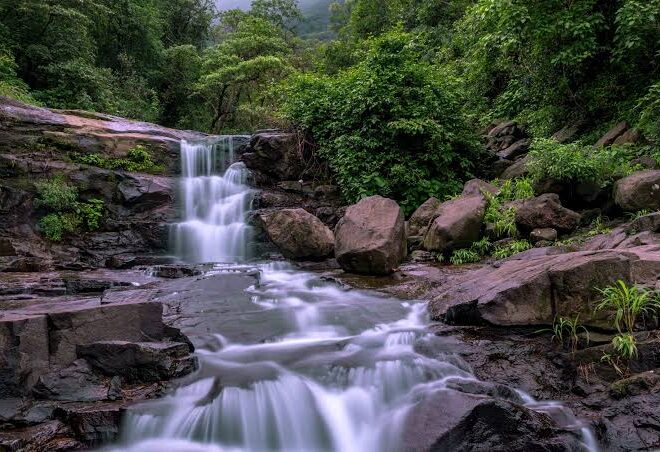
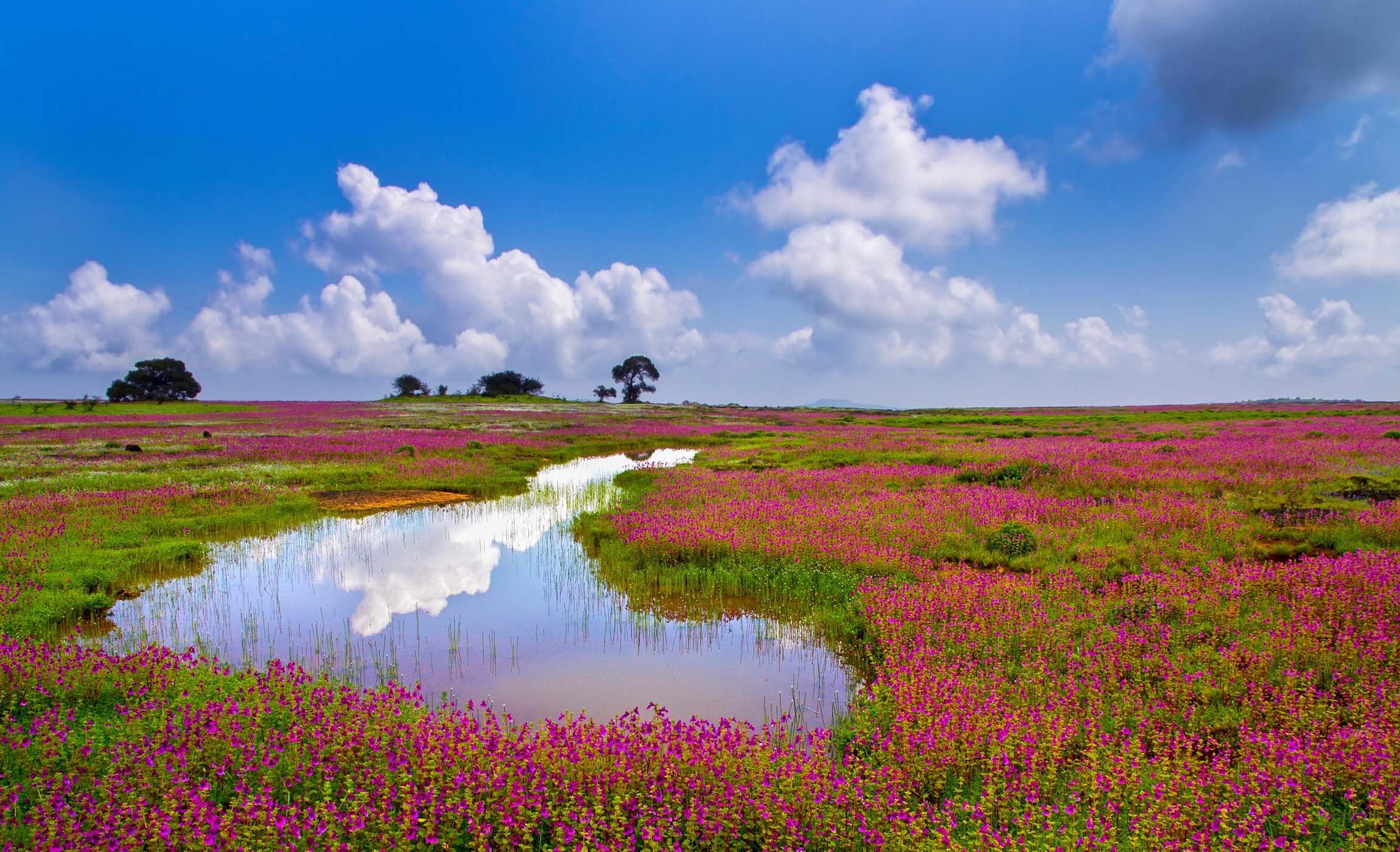
Known for its stunning hills and the breathtaking Kaas Plateau, a UNESCO World Heritage site, Satara is surrounded by other major attractions like the historic Ajinkyatara Fort and the serene Thoseghar Waterfalls.
Satara boasts a diverse climate that varies dramatically throughout the year. From October to March, the weather is pleasantly mild, with temperatures ranging between 15°C to 30°C—ideal for exploring the great outdoors.
However, the summer months from April to June can be sweltering, and the monsoon season from June to September brings heavy rains that could hinder your travel plans. Choosing the wrong time to visit could mean battling extreme heat or getting caught in downpours, potentially spoiling your experience.
For Indian travelers, timing your visit is crucial—considering holiday periods, unique seasonal events like the blooming of the Kaas Plateau in September, and avoiding weather extremes can enhance your adventure.
Join us as we delve into the best times to visit Satara and ensure your trip is filled with unforgettable memories!
Table of Contents
Satara Climate & Travel Season Overview
| Season | Months | Avg. Temperature (°C) | Key Weather Characteristics | Travel Recommendation |
|---|---|---|---|---|
| Winter (Peak Season) | Oct – Mar | 15°C – 30°C | Pleasant and mild weather; clear skies; minimal rainfall; ideal for outdoor activities. | Highly Recommended for all travelers. Best for sightseeing, trekking, and cultural festivals. |
| Summer (Shoulder Season) | Apr – Jun | 30°C – 40°C | High heat and dry conditions; uncomfortable for midday outdoor activities. | Feasible with Precautions. Schedule activities for early mornings/evenings; stay hydrated. |
| Monsoon (Off-Season) | Jun – Sep | 20°C – 28°C | Heavy rainfall (700-900 mm); high risk of landslides and road closures; slippery trails. | Strongly Discouraged due to significant hazards and itinerary disruptions. |
Best Months to Visit
October through March offers the most stable and favorable climate for travel in Satara. This period guarantees minimal weather disruption. It is the recommended window for a secure and comfortable experience.
During October, travelers experience mild temperatures ranging from 15°C to 30°C, making it ideal for trekking in the nearby Sahyadri mountain ranges. Many choose to hike the popular trails, enjoying clear views and vibrant flora, which enhances the adventure experience.
In December, the cooler weather invites visitors to explore the historic sites of Satara, such as the Ajinkyatara Fort. The pleasant climate allows for extended sightseeing without the discomfort of heat exhaustion, leading to richer cultural experiences.
By March, visitors can engage in local festivals, including the Satara Festival, under clear skies. The comfortable weather fosters social gatherings and outdoor activities, allowing travelers to immerse themselves in the region’s vibrant culture while enjoying the natural landscape.
Travel is strongly discouraged between June and September in Satara. This season presents consistent and severe weather hazards. We advise rescheduling plans to ensure traveler safety and itinerary integrity.
Seasonal Weather Guide
Satara experiences three distinct seasons: summer, winter, and the rainy season, each bringing unique weather patterns that influence the environment and daily life.
Summer
Travel during summer in Satara is feasible but requires careful planning due to high temperatures ranging from 30°C to 40°C. This period presents distinct challenges for travelers. To ensure safety and comfort, specific precautions should be taken while exploring the region.
High temperatures can result in heat exhaustion, especially during midday. Travelers have reported discomfort when engaging in outdoor activities such as hiking in the Sahyadri hills without adequate hydration and sun protection. To mitigate this, it is advisable to schedule such activities for early mornings or late evenings when temperatures are more bearable.
The dry conditions often lead to increased demand for hydration and rest. Tourists visiting popular attractions like the Ajinkyatara Fort experienced fatigue when they overlooked the need for regular water breaks. Staying in accommodations equipped with air conditioning can significantly enhance comfort levels after a day of exploration.
Despite the heat, summer festivals in Satara provide unique cultural experiences. However, attendees have noted the intensity of the sun during these events, which can detract from enjoyment if proper precautions, such as wearing protective clothing and using sunscreen, are not followed. Engaging in these festivals while adequately prepared allows travelers to immerse themselves in local traditions without compromising safety.
Winter
Travel to Satara during winter, specifically from December to February, is highly advisable. This period ensures a comfortable climate, with temperatures ranging from 10°C to 25°C, ideal for outdoor activities. Travelers can expect minimal weather disruptions, making it a secure time for exploration and enjoyment.
The cooler temperatures enable travelers to engage in extensive trekking and walking without the discomfort associated with higher heat levels. Many visitors report that the mild climate enhances their hiking experiences in the stunning hills surrounding Satara, allowing for longer excursions without fatigue.
Birdwatching becomes increasingly popular during winter, as many migratory birds flock to the region. Observers note that the clear skies and moderate temperatures create optimal conditions for spotting diverse avian species, contributing to a satisfying wildlife experience.
Cultural festivals during this season present additional opportunities for immersion in local traditions. Travelers appreciate participating in these events, which showcase regional music, dance, and cuisine. The pleasant weather facilitates comfortable attendance at outdoor festivities, enhancing the overall travel experience.
Rainy Season
Travel is strongly discouraged between June and September in Satara. This season presents consistent and severe weather hazards. We advise rescheduling plans to ensure traveler safety and itinerary integrity.
During the rainy season, average rainfall reaches 700-900 mm, leading to frequent downpours. Travelers attempting to explore popular trekking trails often find them slippery or completely inaccessible. This compromises both safety and enjoyment, as planned hikes may need to be abandoned.
Additionally, the cooler temperatures, ranging from 20°C to 28°C, can create unpredictable weather conditions. Many visitors who anticipated outdoor activities at attractions like the Kaas Plateau may experience cancellations due to heavy rains. Such disruptions can lead to dissatisfaction during the trip.
Moreover, while the blooming flowers at Kaas Plateau attract fewer tourists, the wet conditions can hinder proper viewing and exploration. Travelers seeking to capture the area’s natural beauty may find their plans thwarted due to limited visibility and muddy pathways. This results in a diminished experience, highlighting the need for careful planning during this time.
Best Time for Different Traveller
For family trips, the cooler months from October to February provide great weather. Adventure seekers might prefer the monsoon season, while budget travelers and honeymooners can take advantage of shoulder seasons.
Best Time for Family Travelers
October through February offers the most stable and favorable climate for travel in Satara. This period guarantees minimal weather disruption. It is the recommended window for a secure and comfortable experience.
During this time, temperatures range from 15°C to 28°C, which leads to comfortable outdoor excursions. Families can explore the Kaas Plateau, renowned for its vibrant floral displays, without the hindrance of extreme heat. This allows for leisurely walks and picnics, fostering a relaxed atmosphere for both adults and children.
In contrast, summer months bring significant heat, often exceeding 35°C, which can deter outdoor activities. Travelers report difficulties in engaging with historical forts and parks due to the oppressive conditions. Many families choose to stay indoors, limiting their exposure to the rich cultural heritage of the region.
The winter months also see reduced rainfall, providing clear skies for family outings. Travelers enjoy visiting local markets and eateries without the threat of sudden downpours. Optimal weather encourages families to plan adventures during mornings or late afternoons, avoiding the harsh midday sun and enhancing their overall experience.
Best Time for Adventure Travelers
November through February offers the most stable and favorable climate for travel in Satara. This period guarantees minimal weather disruption. It is the recommended window for a secure and comfortable experience.
During these months, temperatures range from 15°C to 28°C, providing ideal conditions for trekking. Travelers report enjoying the Kaas Plateau trek, where clear skies enhance visibility, allowing for breathtaking views of the landscape. The dry weather ensures that trails remain firm and safe, minimizing the risk of slips and falls.
The reduced crowd levels during this period significantly enhance the travel experience. Visitors can explore the forts around Satara without the typical congestion found in peak seasons. The tranquility of the surroundings allows for a more immersive connection with nature, fostering a sense of peace and solitude.
In contrast, the monsoon season from June to September presents severe weather hazards. Heavy rainfall leads to slippery trails, making activities like trekking hazardous. Travelers attempting to navigate these conditions often encounter mudslides and washed-out paths, complicating their adventures and posing safety risks.
Best Time for Budget Travelers
November through February offers the most favorable weather conditions for travel in Satara. This period features stable temperatures and minimal disruption from adverse weather. It is the recommended window for a safe and enjoyable travel experience.
From March to May, temperatures rise between 25°C and 35°C, leading to increased outdoor activity opportunities. Travelers report engaging in trekking and exploration without the frustrations of overcrowded attractions. This climate allows for a more intimate connection with the natural beauty of the region.
During October, travelers witness a significant drop in accommodation rates, often by up to 30% compared to peak season. Budget travelers have successfully booked affordable lodging, enabling them to allocate funds toward local experiences and attractions. The pricing advantage encourages exploration of various sites, enriching their overall journey.
Local transportation is less congested in these shoulder months, allowing travelers to navigate Satara with greater ease. Visitors have shared experiences of enjoying authentic street food and market offerings without long waits. This flexibility fosters a more enjoyable exploration of local culture and cuisine, enhancing the travel experience.
Best Time for Honeymoon Travelers
November through February offers the most favorable climate for honeymoon travelers in Satara. This period ensures a cool and pleasant environment, ideal for romantic getaways. It is the recommended window for enjoying the region’s scenic beauty without the interference of heavy crowds.
In November, temperatures range from 15°C to 25°C, creating a conducive atmosphere for outdoor activities. Couples can embark on tranquil walks at Kaas Plateau, experiencing the vibrant flora without the discomfort of extreme heat. This mild climate allows for extended exploration, enhancing the overall experience.
December and January present cooler temperatures, averaging between 10°C and 22°C. This weather encourages intimate gatherings and cozy evenings, perfect for couples seeking romance. The low crowd levels during these months provide a sense of privacy and seclusion, allowing travelers to enjoy the serene landscapes without distractions.
As February approaches, temperatures rise slightly to 15°C to 25°C, while maintaining a comfortable climate. The increasing visitor numbers signal a shift, but the pleasant weather still supports outdoor activities. Couples can enjoy breathtaking vistas and capture memorable moments before the busier season begins.