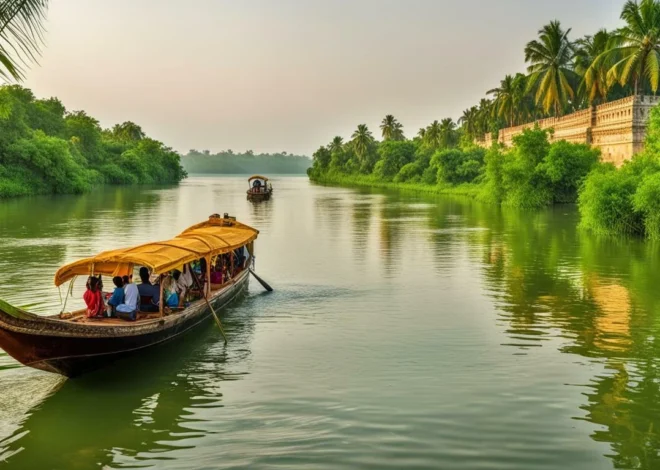
Best Time to Visit Amaravati – Ancient Buddhist Heritage Site
Nestled in the heart of Andhra Pradesh, Amaravati is an ancient Buddhist heritage site that serves as a treasure trove for culture enthusiasts and history buffs alike.
Located approximately 270 km from Hyderabad and just 30 km from Vijayawada, it is easily accessible by road and air, with a flight time of about an hour from major cities. Nearby attractions such as the Kanaka Durga Temple and the serene Krishna River add to the allure of this spiritual destination, making it a top choice for Indian travelers seeking a blend of history and tranquility.
Amaravati experiences a diverse climate, with summer lasting from April to June, bringing soaring temperatures; the monsoon season from July to September, characterized by heavy rains; and winter from October to March, when the weather is pleasantly mild.
Choosing the wrong time, especially during the sweltering summer or the monsoon downpours, could dampen your experience of exploring the site’s stunning relics and sculptures.
In this post, you’ll discover the best times to visit Amaravati, learn how to navigate its climate, and find tips on aligning your trip with local events and holiday periods.
Get ready to embark on a journey that promises to be both enriching and unforgettable!
Table of Contents
Best Months to Visit
October through March offers the most stable and favorable climate for travel in Amaravati. This period guarantees minimal weather disruption. It is the recommended window for a secure and comfortable experience.
During October, temperatures typically range between 15°C to 30°C. Travelers can comfortably explore the ancient Buddhist sites, such as the Amaravati Stupa, without the exhaustion of oppressive heat. The pleasant weather encourages longer outdoor excursions, allowing visitors to fully appreciate the historical significance of the area.
In December, the climate remains mild, making it ideal for participating in local cultural festivals. Travelers can engage in events that highlight Amaravati’s rich heritage without being hindered by rain or extreme temperatures. The comfortable weather allows for a more immersive experience in the local traditions and celebrations.
By March, the weather remains favorable, although temperatures start to rise slightly. Visitors can enjoy the lush greenery and scenic landscapes while touring archaeological sites. This month serves as an excellent opportunity for photography and exploration, as the climate supports extended visits to outdoor attractions without discomfort.
Traveling outside this recommended period can lead to challenges, including higher temperatures and unpredictable rains, which can hinder plans to visit outdoor sites or participate in local events.
Seasonal Weather Guide
Amaravati experiences three distinct seasons: hot summers, mild winters, and a rainy monsoon, each influencing daily life and activities in the region.
Summer
Travel is not advisable during the summer months in Amaravati, which typically span from April to June. The extreme heat, with temperatures ranging from 30°C to 45°C (86°F to 113°F), poses significant risks for outdoor activities. For safety and comfort, it is recommended to avoid travel during this period.
The intense afternoon heat, often peaking above 40°C (104°F), can severely limit outdoor exploration. Travelers attempting midday visits to famous sites such as the ancient Buddhist stupas often find the experience uncomfortable and exhausting, leading to reduced time spent at these attractions. This weather condition can result in dehydration and heat fatigue, necessitating frequent breaks for hydration and shade.
Morning excursions, while cooler, still present challenges as temperatures quickly rise. Travelers who venture out early may enjoy relatively pleasant conditions but still face rising heat by mid-morning. Activities such as temple visits or local sightseeing can quickly become burdensome, forcing many to cut their itineraries short.
Evening summer festivals, while a cultural highlight, can be impacted by the oppressive daytime heat. Crowds tend to be smaller during daylight events due to the heat deterring attendance, which can diminish the overall experience. Attendees may find themselves fatigued from the heat, impacting their ability to fully engage with the vibrant local music, dance, and food offerings.
Winter
Winter in Amaravati, from November to February, presents an optimal climate for travel. This period ensures mild temperatures, averaging between 15°C and 28°C (59°F to 82°F). Travelers can confidently plan visits during these months to enjoy outdoor activities and cultural experiences.
During December, average temperatures allow for comfortable guided heritage walks around ancient Buddhist sites. The pleasant climate encourages exploration without the fatigue associated with high heat. Travelers report enhanced enjoyment and engagement with local history, making this time ideal for cultural immersion.
In January, the relatively low humidity fosters a pleasant atmosphere for visitors to attend winter festivals celebrating local culture. Travelers can partake in traditional music and dance performances, with the cooler weather enhancing the overall experience. This season supports longer outdoor activities, allowing for deeper connections with Amaravati’s heritage.
February offers a continuation of favorable conditions, attracting moderate crowds. With fewer tourists compared to the summer months, visitors report a more intimate experience when visiting nearby temples. The mild weather facilitates leisurely sightseeing, ensuring a fulfilling travel experience without the inconvenience of excessive heat or humidity.
Rainy Season
Travel is strongly discouraged between June and September in Amaravati. This season presents consistent and severe weather hazards. We advise rescheduling plans to ensure traveler safety and itinerary integrity.
During the rainy season, heavy rainfall occurs frequently, resulting in slippery conditions at outdoor sites. Travelers visiting attractions such as the Amaravati Stupa may find pathways hazardous, diminishing the experience and increasing the risk of accidents. Wet surfaces make exploring these historical sites both challenging and unsafe.
Increased humidity levels during this period can lead to discomfort for visitors. Those attempting to engage in outdoor activities, such as walking tours or visits to local markets, often experience fatigue and unease due to the oppressive weather. This can deter enjoyment and limit the length of outings, ultimately affecting overall trip satisfaction.
Local festivals continue despite the rain, but heavy downpours can disrupt participation. Travelers planning to attend these cultural events may encounter delays or cancellations, altering their intended itinerary. Additionally, limited visibility and muddy conditions might prevent access to key festival areas, reducing the potential for a fulfilling cultural experience.
Best Time for Different Traveller
The ideal time to visit Amaravati depends on your travel preferences, with options for families, adventure seekers, budget travelers, and honeymooners all offering unique experiences throughout the year.
Best Time for Family Travelers
November through February offers the most stable and favorable climate for travel in Amaravati. This period guarantees minimal weather disruption. It is the recommended window for a secure and comfortable experience.
During these months, temperatures hover between 15°C and 28°C, providing a cool and pleasant environment for outdoor activities. Families can enjoy visits to attractions like the Amaravati Museum and ancient stupa grounds without the discomfort of high heat. This weather allows for leisurely exploration, making it ideal for families with children.
The lack of heavy rainfall during this time enhances travel plans. Families can participate in guided heritage walks without the risk of sudden downpours, which can disrupt outdoor activities. The dry climate fosters a conducive atmosphere for enjoying the rich cultural experiences Amaravati offers.
Additionally, the lower tourist traffic during these months means families can access accommodations and travel options more easily. With fewer crowds, families can engage in interactive museum exhibits at their own pace, creating a more enjoyable and personalized experience overall.
Best Time for Adventure Travelers
October through March offers the most stable and favorable climate for travel in Amaravati. This period guarantees minimal weather disruption. It is the recommended window for a secure and comfortable experience.
During October, travelers experience mild temperatures ranging from 15°C to 28°C, ideal for hiking. Many visitors report that the dry conditions allowed them to navigate trails without concern for slippery paths, enhancing their exploration of the ancient ruins.
In November, the pleasant weather continues, encouraging bike tours along scenic routes. Travelers have noted that the comfortable climate facilitated longer rides, allowing them to cover more ground and appreciate the local landscape without the discomfort of extreme heat.
By December, the cooler temperatures prompt visitors to dress warmly but still enjoy outdoor activities. Adventurers have successfully engaged in open-air yoga sessions and guided nature walks, relishing the crisp air while exploring Amaravati’s rich biodiversity.
January, while slightly cooler, offers clear skies and dry conditions. This weather permits safe rock climbing experiences, with climbers reporting greater stability and grip on surfaces, ensuring both safety and enjoyment during their pursuits.
Best Time for Budget Travelers
Travel is feasible from April to September in Amaravati, especially for budget-conscious travelers. This off-season period allows for significant savings on accommodations and experiences. While temperatures range from 30°C to 38°C, the absence of large crowds enhances the overall travel experience.
During the off-season, travelers frequently encounter high temperatures, which can lead to discomfort during outdoor activities. For instance, visitors to Amaravati’s scenic parks often limit their time under the midday sun, opting instead for early morning or late afternoon walks. This adjustment ensures they can enjoy the lush landscapes while minimizing heat exposure.
Additionally, lower hotel rates during this period encourage travelers to extend their stays. Many families report that the affordability allows them to explore further attractions, such as the historic Amaravati Stupa, without financial strain. This flexibility results in a more enriched travel experience, as they can engage in local culture without the pressure of high costs.
Public transportation remains a viable option during the warmer months. Travelers frequently utilize shared taxis and buses, which offer cost-effective ways to navigate the city. This choice not only saves money but also provides opportunities to interact with locals, enhancing the cultural immersion that defines a successful trip to Amaravati.
Best Time for Honeymoon Travelers
October through March offers the most stable and favorable climate for travel in Amaravati. This period guarantees minimal weather disruption. It is the recommended window for a secure and comfortable experience.
During October, temperatures range from 15°C to 28°C, providing ideal conditions for exploring Amaravati’s ancient Buddhist sites. Travelers report enjoyable visits to the Mahachaitya, where the cooler weather enhances the overall experience, allowing for extended exploration without the discomfort of heat.
In December, the drop in temperatures creates a romantic atmosphere perfect for couples. Many newlyweds choose to visit the serene riverside parks, where the pleasant climate facilitates leisurely picnics and intimate walks, showcasing the beauty of the region without the hindrance of rain or excessive humidity.
By February, travelers experience a favorable climate that supports outdoor activities. Guided tours to nearby scenic locations, such as the picturesque hills and temples, flourish during this time, as the clear skies and moderate temperatures create optimal conditions for sightseeing and photography.