
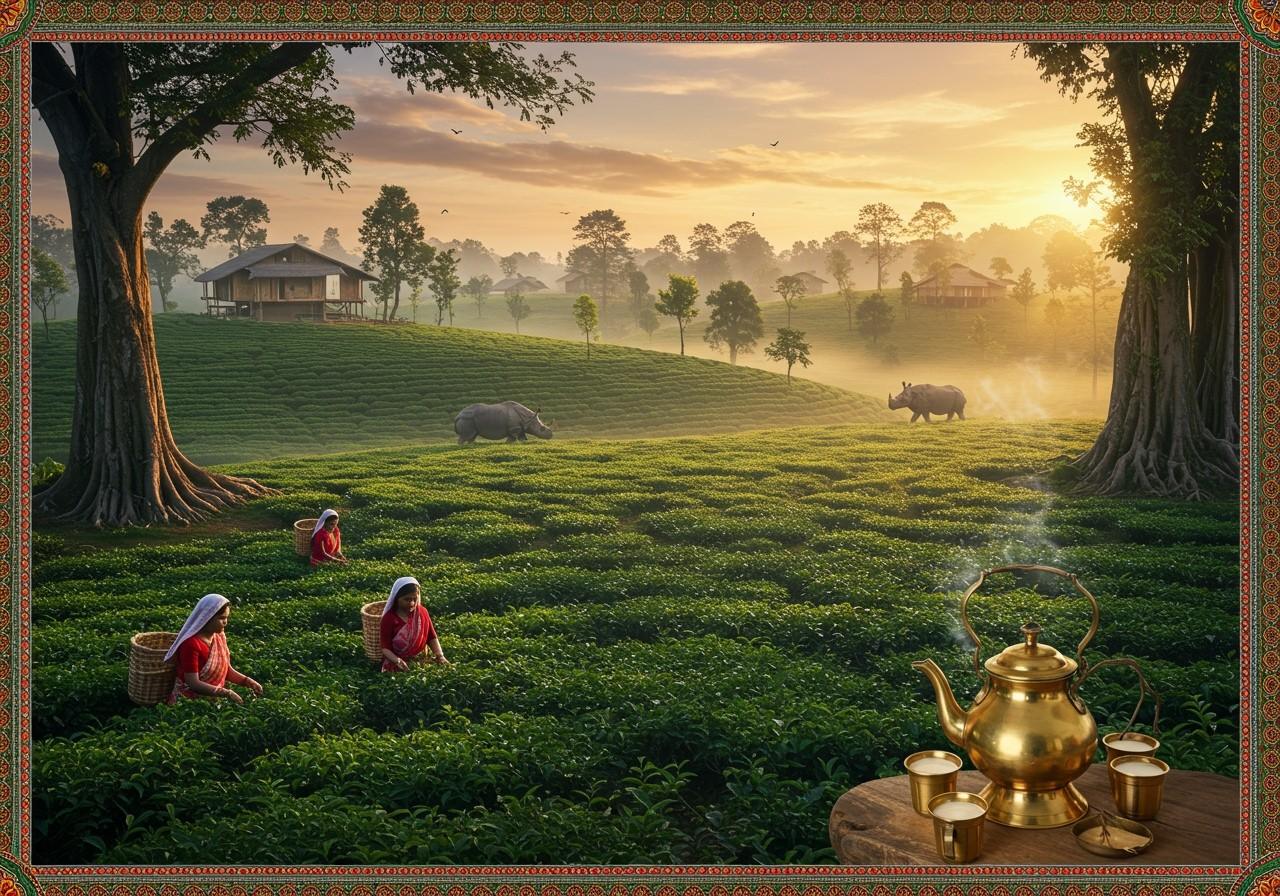
Best Time to Visit Tinsukia – Climate & Wildlife Tourism Guide
Nestled in the northeastern corner of India, Tinsukia is a hidden gem waiting to be explored by avid travelers. Located approximately 550 kilometers from Guwahati and just a stone’s throw away from the picturesque Dibru-Saikhowa National Park, Tinsukia offers a perfect escape for those looking to immerse themselves in nature and adventure.
With a flight time of around 1.5 hours from Guwahati, it’s easily accessible, making it a top travel destination for Indian tourists.
Tinsukia experiences a rich climate diversity, ranging from the sweltering summers (April to June), pleasant winters (November to February), to the refreshing monsoon season (June to September).
Choosing the wrong time to visit could lead to disappointment, as the sweltering heat or monsoon downpours may hinder your travel plans. For Indian travelers, timing is crucial—consider aligning your visit with school holidays, festive events, or the best wildlife spotting opportunities, ensuring an unforgettable experience.
So, are you ready to uncover the charm of Tinsukia? In this post, we’ll guide you through the best times to visit, helping you plan an adventure that aligns with your travel goals and maximizes your enjoyment.
Get ready for an unforgettable journey!
Best Months to Visit
October through April offers the most stable and favorable climate for travel in Tinsukia. This period guarantees minimal weather disruption. It is the recommended window for a secure and comfortable experience.
During October, travelers enjoy mild temperatures averaging 25°C, allowing for enjoyable treks through the scenic forests of the Dibru-Saikhowa National Park. The dry conditions enhance visibility and accessibility, enabling visitors to fully appreciate the diverse flora and fauna without the hindrance of rain.
In November, the weather stabilizes further, with average temperatures around 20°C. This is ideal for exploring local markets and cultural sites, as the pleasant climate encourages outdoor dining and social interactions, enhancing the overall travel experience. The festive atmosphere during this month also attracts tourists, fostering a vibrant cultural exchange.
Seasonal Weather Guide
Tinsukia has three distinct seasons: summer, winter, and the rainy season, each characterized by unique weather patterns that influence local activities and travel plans.
Summer
Travel is feasible during the summer months of May through August in Tinsukia, with temperatures averaging between 25°C and 35°C. However, travelers should prepare for increased humidity and occasional rain showers, which may disrupt outdoor activities. It is essential to plan trips accordingly to ensure a comfortable experience.
The warm temperatures in Tinsukia during summer encourage the exploration of local attractions such as the Dibru-Saikhowa National Park. However, the high humidity can lead to discomfort for travelers engaging in outdoor trekking or wildlife spotting. Many visitors find it challenging to stay hydrated and cool while navigating the park’s trails, impacting their overall enjoyment of the experience.
Additionally, boat rides along the Brahmaputra River can be affected by sudden pre-monsoon rain showers. Travelers often report having to reschedule their boat tours due to unexpected downpours, which can increase the humidity and make conditions less favorable for enjoying the river’s scenic beauty.
Wildlife sightings, particularly of migratory birds and reptiles, are more common during this period. However, the best opportunities arise early in the morning or late afternoon to avoid midday heat, as many travelers find that wildlife becomes less active in the higher temperatures. Hence, timing your excursions becomes crucial for maximizing wildlife encounters.
Winter
Winter in Tinsukia, spanning from November to February, provides an optimal climate for travel. This season features cooler temperatures between 10°C and 20°C, making it a secure period for outdoor activities. Travelers can expect pleasant weather conditions that facilitate exploration without significant disruptions.
During December, the dry weather enables visitors to enjoy nature walks in the lush landscapes surrounding Tinsukia. The comfortable temperatures encourage extended outdoor excursions, allowing travelers to immerse themselves in the beauty of the region without the discomfort of excessive heat or humidity.
Bird watching becomes particularly rewarding in January when the clear skies and crisp air enhance visibility. Travelers can observe migratory birds flocking to local wetlands, making for a memorable experience that connects them with nature. The stable weather significantly increases the likelihood of successful birding outings.
February is marked by local winter festivals that offer cultural insights and regional entertainment. The favorable climate supports outdoor celebrations featuring traditional music and dance. Visitors can engage with the community and experience Tinsukia’s rich cultural heritage, all while enjoying the mild winter weather.
Rainy Season
Travel is strongly discouraged between June and September in Tinsukia. This season presents consistent and severe weather hazards due to heavy monsoon rains. We advise rescheduling plans to ensure traveler safety and itinerary integrity.
During June, travelers reported frequent disruptions caused by torrential downpours. Many outdoor excursions, such as visits to local parks and wildlife sanctuaries, were canceled due to flooded trails and unsafe conditions. Tourists found it challenging to navigate and explore, leading to frustration and missed opportunities.
In July, the region experienced significant rainfall, averaging 300 mm. This excessive moisture resulted in muddy paths and limited access to popular attractions. Travelers trying to engage in trekking or birdwatching faced difficulties as wildlife became elusive during the heavy rain, diminishing the chances for rewarding photography.
By August, while some breaks in the rain offered brief moments of exploration, the overall conditions remained unpredictable. Travelers noted that while they could capture stunning wildlife images during intervals of dryness, the damp environment still posed risks, including slippery surfaces and potential for sudden downpours. This inconsistency made planning activities challenging, often leading to last-minute cancellations or changes in itinerary.
In September, the persistent rainfall continued to affect travel experiences. Many travelers reported that their plans were repeatedly altered, as heavy showers limited outdoor activities and made traveling between destinations arduous. The lingering wet conditions discouraged exploration, leading to a largely unfulfilled itinerary.
Best Time for Different Traveller
If you’re traveling with family, the cooler months from October to March offer pleasant weather and less rain, making outdoor activities easier. Next, adventure seekers should plan for the post-monsoon season when rivers are full and forests are lush, typically between September and November.
Best Time for Family Travelers
October through March offers the most stable and favorable climate for travel in Tinsukia. This period guarantees minimal weather disruption. It is the recommended window for a secure and comfortable experience.
During October, travelers benefit from pleasantly mild temperatures ranging from 15°C to 25°C. Families can engage in outdoor activities such as visiting Dibru-Saikhowa National Park, where easy trails allow for wildlife spotting without the strain of challenging hikes. This comfortable climate enhances the overall enjoyment of the experience, ensuring that all family members can participate without discomfort.
By December, the dry conditions further solidify the travel experience. The reduced humidity allows families to explore local cultural centers and the Tinsukia Museum with ease. Educational engagements become seamless, as families can absorb information without the distraction of adverse weather.
Conversely, travel between June and September should be avoided due to the monsoon season. Heavy rainfall creates hazardous conditions that can disrupt outdoor plans significantly. Families may find travel difficult and uncomfortable, limiting access to attractions and reducing the overall enjoyment of their trip.
Best Time for Adventure Travelers
October through March offers the most stable and favorable climate for travel in Tinsukia. This period guarantees minimal weather disruption. It is the recommended window for a secure and comfortable experience.
During October, the average temperature hovers around 20°C, providing a perfect environment for trekking in the lush landscapes of Tinsukia. Travelers report enjoying day-long hikes without the fatigue caused by extreme heat, allowing for longer exploration of the region’s diverse terrain. Wildlife sightings also peak, as animals are more active in these cooler temperatures.
In December, conditions remain consistent, with temperatures ranging from 10°C to 25°C. This climate supports wildlife exploration, as visitors frequently spot various species in their natural habitats. Travelers have noted that the cooler weather enhances their overall experience, as they can comfortably engage in guided tours and nature walks.
Conversely, April and May bring rising temperatures, reaching up to 35°C, which significantly affects trekking comfort. Many travelers have reported feeling exhausted during long treks, as the heat limits their stamina and enjoyment of Tinsukia’s scenic beauty. This warming trend makes outdoor activities less appealing and can lead to an increase in heat-related discomfort.
Travel is strongly discouraged between June and September in Tinsukia. This season presents consistent and severe weather hazards due to heavy rainfall. Numerous travelers have experienced canceled plans and dangerous trail conditions, highlighting the importance of avoiding this monsoon period for safety and itinerary integrity.
Best Time for Budget Travelers
Travel is advisable during the shoulder seasons of late September and early April in Tinsukia. These months provide a comfortable climate with daytime temperatures ranging from 20°C to 28°C. This period minimizes crowding and allows for enjoyable outdoor activities.
In late September, travelers benefit from mild temperatures, ideal for exploring local attractions like the Dibru-Saikhowa National Park. The pleasant weather facilitates hiking and wildlife spotting without the inconvenience of large tourist groups, allowing for a more intimate experience with nature.
During early April, the weather remains stable, enabling travelers to engage in cultural experiences such as visiting local markets and trying regional cuisine. The lower temperatures make for comfortable wandering through town, where travelers can enjoy authentic meals at local eateries without facing long waits or inflated prices.
Both months avoid the disruptions commonly associated with the monsoon season. Heavy rains, prevalent from June to September, can lead to canceled outdoor plans and hinder access to attractions, making these shoulder months the optimal time for safe and enjoyable travel in Tinsukia.
Best Time for Honeymoon Travelers
October through March offers the most stable and favorable climate for travel in Tinsukia. This period guarantees minimal weather disruption. It is the recommended window for a secure and comfortable experience.
During October, travelers experience daytime temperatures averaging around 25°C. This pleasant weather allows couples to engage in river cruises along the Brahmaputra River, enhancing their romantic getaway with scenic views and serene waters. The clear skies make for perfect photography opportunities, capturing moments that will be cherished for a lifetime.
In November, the climate remains equally inviting with low humidity and mild temperatures. This weather is ideal for wildlife spotting in the nearby national parks. Couples can enjoy guided safaris and nature walks, observing diverse fauna in comfortable conditions, which can significantly enhance their travel experience.
As winter sets in, December and January provide cooler temperatures, ranging from 15°C to 20°C. This quiet period attracts fewer tourists, allowing couples to explore local attractions, such as the Tinsukia Town and nearby tea gardens, without the crowds. The tranquil atmosphere enhances intimacy, making it a favorable time for private excursions and romantic dining experiences.
Travel is strongly discouraged between June and September in Tinsukia. This season presents consistent and severe weather hazards. We advise rescheduling plans to ensure traveler safety and itinerary integrity.
