Best Time to Visit Sivasagar – Weather & Ahom Heritage Sites
Nestled in the northeastern state of Assam, Sivasagar is a treasure trove of Ahom heritage, located just 360 kilometers from Guwahati and about 200 kilometers from Jorhat. This historical gem is easily accessible, with a flight time of around one hour from Guwahati, making it a perfect weekend getaway for Indian travelers seeking a blend of culture and history.
Nearby attractions like the picturesque Majuli Island and the vibrant Kaziranga National Park add to the allure of this destination.
Sivasagar experiences a diverse climate that significantly influences the travel experience. The winter months, from October to March, offer delightful temperatures ranging from 15°C to 27°C, ideal for exploring its majestic sites like Rang Ghar and Talatal Ghar.
Conversely, the summer months (April to June) can be scorching, often exceeding 35°C, while the monsoon season (July to September) brings heavy rains, potentially limiting access to these historical treasures.
Choosing the wrong time could mean battling the heat or rain, which could spoil your experience. With holiday periods and local festivals enriching the atmosphere, aligning your visit with these events can enhance your trip.
In this post, you’ll discover the best times to visit Sivasagar, ensuring your journey is both comfortable and memorable. So pack your bags and get ready to immerse yourself in the rich heritage of Sivasagar!
Best Months to Visit
October through March offers the most stable and favorable climate for travel in Sivasagar. This period guarantees minimal weather disruption. It is the recommended window for a secure and comfortable experience.
During these months, temperatures range from 15°C to 27°C, creating an ideal environment for exploring Sivasagar’s historical Ahom heritage sites. Travelers have reported seamless visits to attractions like the Rang Ghar and Talatal Ghar, enjoying guided tours without the hindrance of oppressive heat or the threat of sudden rain.
Temperatures between 15°C and 27°C make touring Sivasagar’s Ahom heritage sites comfortable and enjoyable.
Cultural festivals, such as the Bihu celebration, occur in this timeframe, providing visitors with immersive experiences of local traditions. Travelers often participate in vibrant festivities, enjoying folk music and dance, which are better appreciated in the pleasant weather that prevails during these months.
In addition, the cool weather enhances the enjoyment of local cuisine. Travelers have noted that sampling traditional dishes, such as Assam Laksa and Pitha, is significantly more pleasant when temperatures are mild, allowing for leisurely meals without discomfort from heat.
Seasonal Weather Guide
Sivasagar’s distinct seasons influence travel plans. Prepare for summer heat, winter coolness, and potential disruptions during the rainy season.
Summer
Travel to Sivasagar during the summer months is feasible but requires careful planning. Higher temperatures ranging from 28°C to 35°C are typical, making hydration and appropriate attire essential for a safe experience. Travelers should opt for outdoor activities during the cooler early mornings or late afternoons to avoid heat-related discomfort.
The summer heat can lead to fatigue for those exploring Ahom heritage sites. Visitors who venture out between noon and 3 PM often report feeling overwhelmed by the sun’s intensity, which hinders their ability to fully appreciate the historical significance of these locations. Planning visits outside peak heat hours allows for a more enjoyable exploration of Sivasagar’s rich culture.
Moderate rainfall typically occurs in July, which can affect travel plans. Travelers may encounter sudden showers that disrupt outdoor activities. Those who have opted for flexible itineraries can adjust their plans to accommodate these weather changes, seeking indoor attractions or cultural experiences during periods of rain.
Fewer tourists are present in Sivasagar during summer, offering a unique opportunity for a more intimate experience at popular sites. Travelers who appreciate less crowded environments often find this season advantageous, allowing for deeper engagement with local culture and heritage. However, they must remain vigilant about the heat and adequately prepare for their excursions.
Winter
Winter in Sivasagar, from November to February, presents an ideal travel climate. This period guarantees mild temperatures ranging from 10°C to 22°C, ensuring comfort for outdoor activities. It is the recommended season for travelers seeking cultural and historical experiences without weather-related disruptions.
During December, cool and dry weather allows visitors to explore the Ahom heritage sites with ease. Travelers report enjoying extended visits at sites like the Rang Ghar and Talatal Ghar, where they can immerse themselves in local history without the fatigue that accompanies extreme heat or rain. The absence of humidity enhances the overall exploration experience.
In January, the pleasant climate invites tourists to engage in local winter festivals, enriching their cultural understanding. Attendees of the Bihu festival describe vibrant celebrations and community interactions, all made more enjoyable by the comfortable weather. This month fosters social connections and cultural appreciation, critical for an enriching travel experience.
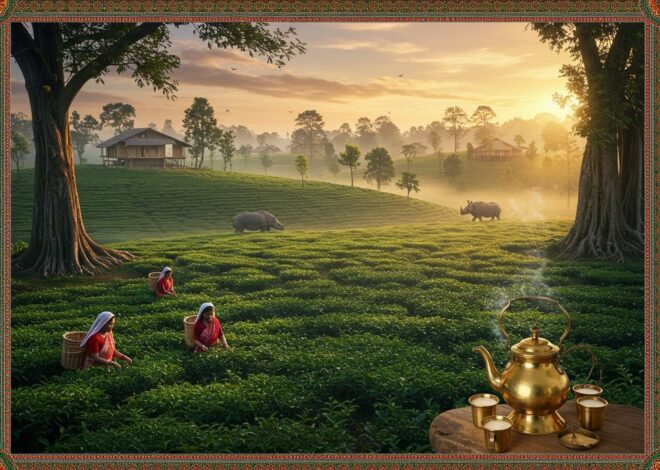
February continues this trend, with travelers taking advantage of the clear skies for outdoor excursions. Many have recounted memorable days spent at tea gardens, where the crisp air and sunny conditions create a perfect atmosphere for leisurely strolls and tea tastings. The lack of crowds during this season allows for a more intimate experience with the region’s natural beauty.
Rainy Season
Travel is strongly discouraged between June and September in Sivasagar. This season presents consistent and severe weather hazards, primarily due to heavy monsoon rains. We advise rescheduling plans to ensure traveler safety and itinerary integrity.
During this period, travelers often encounter heavy downpours, with rainfall exceeding 200 mm in some weeks. Such conditions can lead to significant travel disruptions, particularly on unpaved roads. Visitors attempting to explore Ahom heritage sites may find access routes impassable, severely limiting their ability to engage with local history and culture.
Additionally, the high humidity and frequent rain can create hazardous conditions for outdoor activities. Tourists planning to visit temples and palaces may experience sudden flooding, preventing them from enjoying these cultural landmarks. This weather can also lead to slippery surfaces, increasing the risk of accidents while navigating the region.
While some travelers might appreciate the lush greenery during this season, the reality of constant rain makes sightseeing challenging. The cultural festivities that occur despite the weather may be less accessible, as the heavy rains can deter attendance. Therefore, the rainy season poses significant obstacles for travelers seeking to immerse themselves in Sivasagar’s rich heritage.
Best Time for Different Traveller
For families, the cooler months from October to February offer comfortable weather and fewer crowds. Adventure seekers will find the post-monsoon period ideal.
Best Time for Family Travelers
October through March offers the most stable and favorable climate for travel in Sivasagar. This period guarantees minimal weather disruption. It is the recommended window for a secure and comfortable experience for families.
During these months, temperatures typically range from 15°C to 25°C, providing ideal conditions for outdoor activities. Families can comfortably explore the historic Ahom palaces and temples without the discomfort of extreme heat or humidity. This pleasant weather encourages extended sightseeing, allowing families to engage fully with local history and culture.
Moreover, this season coincides with various local festivals, enriching the travel experience. Families often partake in vibrant celebrations, enhancing cultural learning for children. These events foster family bonding and create memorable experiences against a backdrop of favorable weather, ensuring safety and enjoyment.
In contrast, the monsoon months from June to September present significant challenges for travelers. Heavy rainfall disrupts outdoor plans, leading to cancellations and unsafe conditions. Families may find that travel becomes difficult and less enjoyable during this time, underscoring the importance of planning visits during the recommended months for a smooth and enriching family experience.
Best Time for Adventure Travelers
November through February is the optimal time for adventure travelers in India. This period ensures cooler temperatures ranging from 10-20°C, ideal for trekking. Travelers can expect dry weather, significantly reducing hazards on trails.
During December, many trekkers in the Himalayas experienced clear skies and manageable temperatures. This allowed for extended hiking hours without the discomfort of heat, enabling groups to reach higher altitudes safely. The lower risk of rainfall also ensured clear views and fewer muddy paths.
In contrast, the monsoon months of June to September present challenges for adventure seekers. Heavy rainfall can lead to swollen rivers and dangerous conditions for activities like river rafting. Many travelers reported canceled excursions and increased risks during this period, particularly in July and August when the trails became slippery and visibility diminished.
For water-based activities, the pre-monsoon months of May offer rising water levels ideal for rafting, but safety remains paramount. Travelers who embarked on river adventures during this time noted exhilarating rapids, but they also emphasized the importance of checking weather updates to avoid sudden storms.
Best Time for Budget Travelers
March to May and September to October provide the optimal climate conditions for travel in Sivasagar. This timeframe ensures a pleasant weather experience free from heavy rain and extreme heat. Travelers can confidently explore the region’s rich heritage during these months.
During March, temperatures hover between 20°C and 28°C, offering comfortable conditions for sightseeing. Many travelers take advantage of this weather to visit the Ahom Royal Palace, participating in guided tours that are less crowded. The mild climate allows for extended outdoor explorations without the discomfort of heat exhaustion.
In September, post-monsoon, the weather remains stable as temperatures range from 22°C to 30°C. Visitors report enjoying the lush landscapes and vibrant greenery that emerge after the rains. This is an ideal time for photography enthusiasts to capture the beauty of Sivasagar’s temples and parks without the interference of heavy tourist traffic.
Best Time for Honeymoon Travelers
November through February offers the most stable and favorable climate for honeymoon travel in Sivasagar. This period guarantees comfortable temperatures and minimal weather disruption. It is the recommended window for a secure and intimate experience.
During November, travelers experience temperatures ranging from 10°C to 25°C, providing an inviting environment for exploring the Ahom heritage sites. Couples can stroll hand in hand through the historical complexes without the discomfort of excessive heat or humidity, enhancing their romantic atmosphere.
In December, reduced humidity levels lead to clearer skies, perfect for enjoying scenic views of Sivasagar’s lush landscapes. Travelers often take advantage of this weather to partake in outdoor activities, such as visiting the Sivasagar Tank at sunset, creating memorable moments free from the distraction of monsoon rains.
By February, the pleasant temperatures and fewer crowds allow honeymooners to cherish quiet moments together at the region’s attractions. The mild climate fosters a relaxed vibe, encouraging couples to engage in intimate dining experiences or leisurely walks, solidifying lasting memories in a serene setting.
Travelers should avoid the monsoon season from June to August, as heavy rains can severely disrupt plans and limit outdoor activities. Choosing the right time ensures a fulfilling and enjoyable honeymoon in Sivasagar.